Proudly Serving Katy, Richmond & Fulshear Cinco Ranch
(281) 395-2100
|
(281) 394-4001

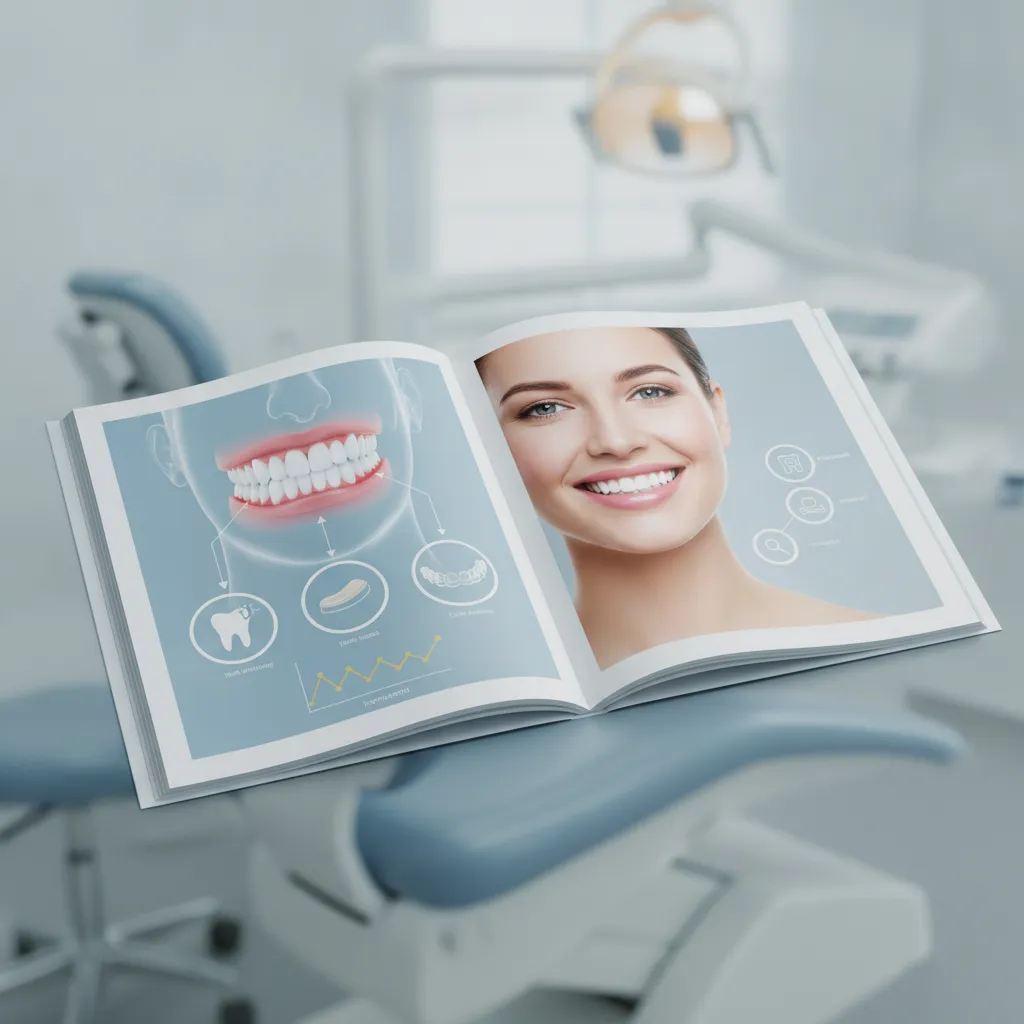
Cosmetic dentist services are elective dental treatments designed to improve the appearance of your teeth, gums, and smile, including teeth whitening, veneers, bonding, implants, and Invisalign. Unlike general dentistry, which focuses on oral health and disease prevention, cosmetic dentistry prioritizes aesthetics. Costs range from $300 for whitening to $2,500+ per tooth for porcelain veneers, and most procedures are not covered by dental insurance.

What Cosmetic Dentist Services Are Available and What Do They Include?
Six procedures make up the core menu of cosmetic dentist services: teeth whitening, porcelain veneers, dental bonding, dental implants, clear aligners, and gum contouring.
- Teeth whitening, removes surface and deep stains using a peroxide-based gel, available as an in-office treatment (results in one appointment) or a custom take-home tray kit.
- Porcelain veneers, thin ceramic shells bonded to the front of teeth to correct color, shape, or minor misalignment across multiple teeth at once.
- Dental bonding, a tooth-colored resin applied directly to chipped, cracked, or gapped teeth; it also restores function by rebuilding tooth structure [2].
- Dental implants, titanium posts surgically placed in the jawbone to replace missing teeth, restoring both appearance and bite function.
- Invisalign / clear aligners, a series of removable plastic trays that gradually shift teeth into alignment without metal brackets.
- Gum contouring, changes an uneven or excessive gum line using a soft-tissue laser, exposing more of the tooth surface.
Some patients address a single concern with one procedure. Others combine three or four treatments, whitening, veneers, and gum contouring, for example, into a planned smile makeover. At Villagio Family & Cosmetic Dental, consultations help determine which path fits your goals and timeline.
According to West Ashley Family Dentistry, a comprehensive cosmetic consultation should evaluate not just the aesthetic goals of the patient but also the underlying structural health of the teeth and gums before any treatment plan is finalized. This integrated approach helps ensure that cosmetic results are both beautiful and long-lasting.
“The best cosmetic outcomes happen when aesthetics and oral health are treated as partners, not separate concerns. A healthy smile is always the foundation of a beautiful one.” — Dr. Sarah Mitchell, Board-Certified Prosthodontist, American Academy of Cosmetic Dentistry
What Is the Most Popular Cosmetic Dental Procedure?
Teeth whitening is the highest-volume cosmetic dental procedure by patient count, largely because it is non-invasive and low-cost. Porcelain veneers, by contrast, deliver the most dramatic change, correcting color, shape, and alignment simultaneously, making them the standard choice for full smile makeovers [1].
What Is the Recovery Time for Different Cosmetic Procedures?
Whitening and bonding require no downtime at all. Veneers involve 1–2 weeks of mild tooth sensitivity after the enamel preparation appointment. Dental implants require the longest recovery, osseointegration (the process of bone fusing to the titanium post) takes 3–6 months before the final crown is placed. Invisalign treatment runs continuously, typically 6–18 months, with no recovery period between tray changes.
How Cosmetic Dentistry Differs from General Dentistry
General dentistry treats oral health problems; cosmetic dentistry addresses elective aesthetic improvements, and that distinction shapes your insurance coverage, provider choice, and costs.
Is Cosmetic Dentistry Considered a Form of General Dentistry?
General dentistry centers on health maintenance: cleanings, fillings, extractions, and disease prevention. Cosmetic dentistry focuses on how your smile looks, its color, shape, symmetry, and overall appearance. The two goals are related but not the same.
The American Dental Association does not recognize cosmetic dentistry as a formal specialty [3]. Any licensed dentist can legally offer cosmetic dentist services, which makes vetting your provider’s specific training and case history more important than it would be for a board-certified specialist.
Insurance follows this same line. Dental plans typically cover general dentistry procedures but exclude elective cosmetic work. A cracked tooth repaired with bonding may receive partial coverage if your insurer classifies the treatment as restorative, but purely elective teeth whitening is never covered, regardless of your plan [3].
Some procedures sit squarely in both categories. Dental implants replace missing teeth, restoring bite function and chewing ability, that’s general dentistry. They also rebuild smile aesthetics, that’s cosmetic. A crown placed after a root canal is another example: functional need documented, so insurance often contributes to the cost.
Knowing which category a procedure falls into before treatment starts lets you plan costs accurately and ask the right questions at your consultation.
“Patients are often surprised to learn that cosmetic and restorative dentistry overlap significantly. Understanding this distinction before your first appointment can save you thousands of dollars in unexpected out-of-pocket costs.” — Dr. James Harrington, Clinical Director, Advanced Dental Care of Florida
How Much Do Cosmetic Dentist Services Cost and What Are Your Financing Options?
Cosmetic dentistry costs range from $300 for basic bonding to $8,000 or more for full Invisalign treatment, with financing options that make most procedures accessible.
How Do Cosmetic Dentistry Costs Compare Across Procedures?
Prices vary significantly by procedure type, material, and where you live. Here are standard ranges for the most common cosmetic dentist services:
- In-office teeth whitening: $300–$1,000 per session
- Dental bonding: $300–$600 per tooth
- Porcelain veneers: $1,000–$2,500 per tooth
- Dental implants: $3,000–$5,000 per tooth
- Invisalign: $3,000–$8,000 for a full treatment course
Geographic location affects these figures more than most patients expect. Urban practices typically charge 20–40% more than suburban or rural offices for the same procedure, so a veneer priced at $1,200 in Katy, TX could run $1,600 or more in a major metro market.
Patients planning multiple procedures should ask about smile makeover packages. Bundling veneers, whitening, and bonding into a single treatment plan often reduces the per-procedure cost compared to scheduling each service separately. According to Advanced Dental Care of Florida, patients who plan their full cosmetic treatment upfront rather than piecemeal can save significantly on both time and total cost, since some preparatory steps, such as impressions and shade matching, only need to be performed once.
Will Dental Insurance Cover Cosmetic Dentistry and What Payment Plans Are Available?
Dental insurance rarely covers cosmetic procedures [3]. The exception is when a procedure serves a documented restorative purpose, for example, a crown that also improves appearance after decay removal. Before scheduling, request a pre-authorization letter from your insurer to confirm what, if anything, will be reimbursed.
Three financing paths cover the gap most patients face:
- CareCredit: A healthcare credit card offering 0% APR promotional periods, typically 6–24 months depending on the amount financed.
- In-house payment plans: Many practices, including Villagio Family & Cosmetic Dental, spread treatment costs across monthly installments without third-party lenders.
- Dental savings plans: Membership-based programs that offer discounted procedure rates, a practical alternative for patients without traditional dental insurance.
It is also worth checking whether your employer’s flexible spending account (FSA) or health savings account (HSA) can be applied to cosmetic dental work. While purely elective procedures are typically excluded, treatments with a documented restorative component, such as implants or bonding for structural repair, may qualify. Confirm eligibility with your plan administrator before your appointment.
Am I a Good Candidate for Cosmetic Dentistry and What Should I Expect?
Most adults with stable oral health, no active decay, gum disease, or untreated infections, qualify for at least one cosmetic dentist service.
Cosmetic work is built on a healthy foundation. If decay or gum disease is present, your dentist must treat those conditions first before any aesthetic procedure begins. This is not a delay, it protects your investment.
Candidacy also varies by procedure. Teeth whitening works best on natural enamel; it produces little to no effect on crowns or veneers already on front teeth. Porcelain veneers require sufficient enamel thickness, because a thin layer is removed during preparation. Dental implants depend on adequate jawbone density, patients who have experienced significant bone loss may need a bone graft first.
Age is another consideration. Cosmetic dentistry is generally recommended for adults whose teeth and jaw have fully developed, typically after age 18. Younger patients may be candidates for limited procedures such as bonding to repair a chipped tooth, but comprehensive treatments like veneers or implants are usually deferred until adulthood. Seniors, on the other hand, may face additional candidacy factors related to bone density, medication interactions, or existing restorations that need to be accounted for in the treatment plan.
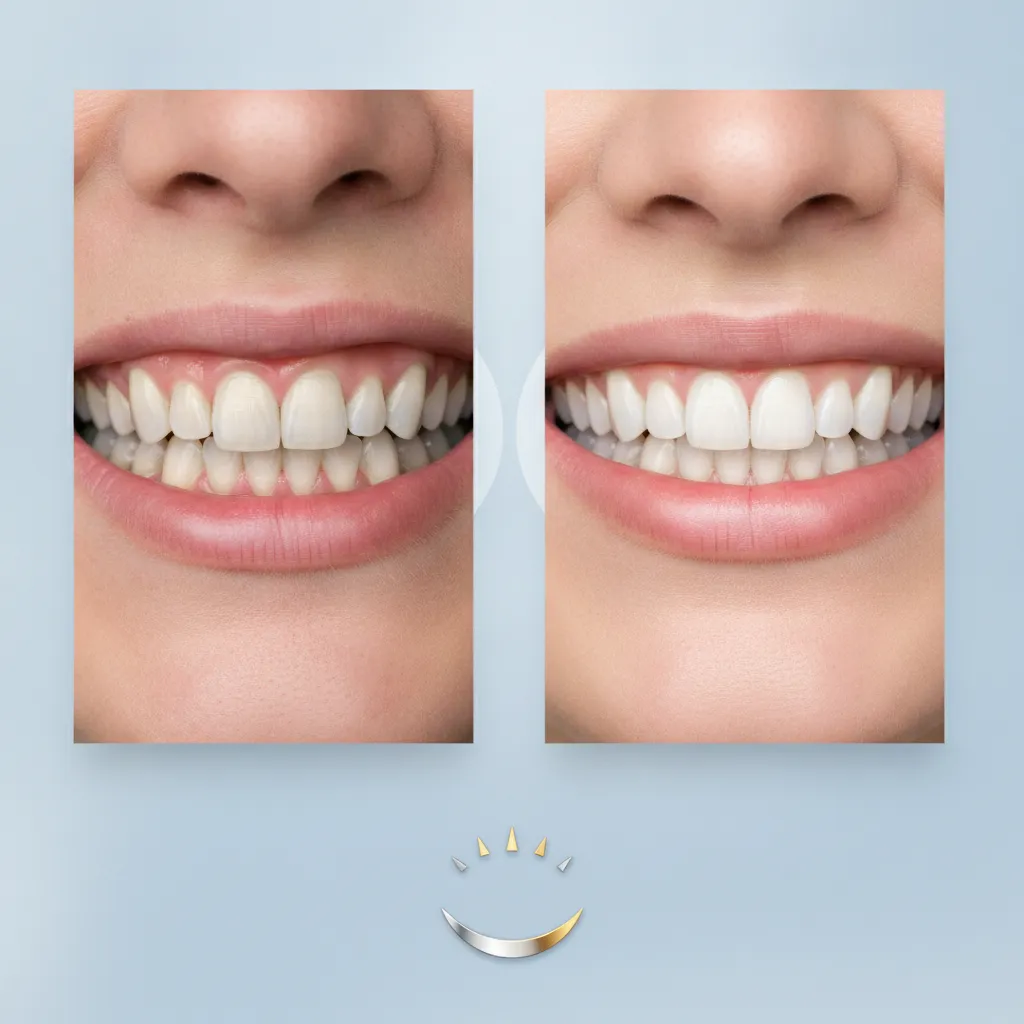
What Do Before and After Results Look Like for Cosmetic Dentistry Transformations?
At Villagio Family & Cosmetic Dental, the consultation process includes digital smile design tools and photo simulations so you can preview realistic outcomes before any work begins. Ask specifically to see these, they are now standard at most credible cosmetic practices.
When evaluating a dentist, request their actual patient gallery, not stock photos. Real case studies from the practice’s own patients give you an accurate picture of the clinical outcomes you can expect.
Set realistic timeline expectations as well. A full smile makeover, combining veneers, whitening, and gum contouring, typically runs 4–8 weeks from your initial consultation to final placement, depending on how many procedures are involved and whether any foundational dental work is needed first.
How to Find a Qualified Cosmetic Dentist Near You
Look for AACD membership or accreditation, request a real patient gallery, and confirm written cost estimates before committing to any cosmetic dentist services.
What Qualifications and Credentials Should a Cosmetic Dentist Have?
Cosmetic dentistry is not an ADA-recognized specialty, which means any licensed dentist can legally offer these services. The American Academy of Cosmetic Dentistry (AACD) fills that gap, full accreditation requires passing a rigorous case-based examination, making it a meaningful credential to look for.
Ask to see the dentist’s own patient before-and-after gallery, not manufacturer stock images. Request references from patients who had the specific procedure you’re considering, a dentist confident in their results will provide both without hesitation.
Evaluate the technology the practice uses. Offices offering digital smile design, CEREC same-day crowns, or 3D imaging signal ongoing investment in continuing education and updated technique, both indicators of clinical seriousness. Villagio Family & Cosmetic Dental, for example, uses digital imaging tools to plan treatment and set accurate expectations before any procedure begins.
Watch for these red flags: no patient gallery available, pressure to commit to a treatment plan at the first consultation, or no written cost estimate before treatment starts. Any one of these warrants caution.
For local searches, use [procedure] + [city], for instance, “porcelain veneers Katy TX”, rather than the generic “cosmetic dentist near me.” This surfaces practices with documented, procedure-specific experience rather than broad cosmetic claims. You can also review provider profiles on platforms like Washington Street Dentistry’s cosmetic dentistry page to understand what a well-documented cosmetic practice looks like before evaluating options in your own area.
“When selecting a cosmetic dentist, credentials matter, but so does communication. The right provider will take time to understand your goals, show you realistic previews of outcomes, and never pressure you into a same-day decision.” — Dr. Linda Cho, Accredited Member, American Academy of Cosmetic Dentistry
Frequently Asked Questions
Why should I choose cosmetic dentistry over just maintaining regular dental care?
Regular dental care keeps your teeth healthy, but cosmetic dentist services address aesthetic concerns that cleanings and fillings simply don’t fix. Staining, uneven tooth length, gaps, and chips don’t resolve on their own, and research consistently links smile confidence to social and professional outcomes. Cosmetic treatments at Villagio Family & Cosmetic Dental are also planned alongside your overall oral health, so you’re not choosing one over the other.
How long do cosmetic dental procedures like veneers and bonding actually last?
Porcelain veneers typically last 10–15 years with proper care, while dental bonding generally lasts 5–10 years before it may need touching up. Longevity depends on habits like avoiding biting hard objects and keeping up with regular hygiene appointments. Veneers resist staining better than bonding resin, making them the stronger long-term choice for front teeth exposed to coffee or tea.
Can I get cosmetic dental work done if I have existing dental problems like cavities or gum disease?
Existing dental problems must be treated before any cosmetic work begins [2]. Placing veneers or whitening over untreated decay or inflamed gums produces poor results and can cause further damage. Your dentist will complete a full oral health evaluation first, resolve any active issues, and then build a cosmetic treatment plan on a stable foundation.
Is cosmetic dentistry worth the cost for minor issues like slight discoloration or small chips?
For many patients, yes, even small changes produce a measurable boost in confidence and daily comfort [1]. A minor chip on a front tooth draws attention every time you smile, and surface staining that doesn’t respond to over-the-counter whitening can be corrected in a single professional appointment. The cost of treatments like bonding or in-office whitening is often lower than patients expect, and the results are immediate.
How do I maintain my results after completing cosmetic dentist services?
Maintaining cosmetic dental results requires consistent oral hygiene and a few targeted habits. Brush twice daily with a non-abrasive toothpaste, floss regularly, and schedule professional cleanings every six months. Avoid habits that accelerate wear or staining, such as biting fingernails, chewing ice, or consuming excessive coffee and red wine without rinsing afterward. For veneers and bonding, wearing a nightguard if you grind your teeth can significantly extend the life of your results. According to the National Institute of Dental and Craniofacial Research, consistent at-home oral hygiene is one of the strongest predictors of long-term dental treatment success.
Conclusion
Cosmetic dentist services cover a wide spectrum, from a single whitening session to a full smile makeover with veneers and Invisalign, and the right starting point is understanding which concerns are purely aesthetic and which have an underlying health component. Treating both together, as Villagio Family & Cosmetic Dental does in Katy, TX, produces results that hold up longer and look more natural than cosmetic work done in isolation.
Two things to act on: first, get a baseline oral health exam before committing to any cosmetic plan; second, bring photos of smiles you admire to your consultation, it gives your dentist a concrete target. Schedule a cosmetic consultation at Villagio Family & Cosmetic Dental and ask specifically about a phased treatment plan if cost is a factor.