Proudly Serving Katy, Richmond & Fulshear Cinco Ranch
(281) 395-2100
|
(281) 394-4001

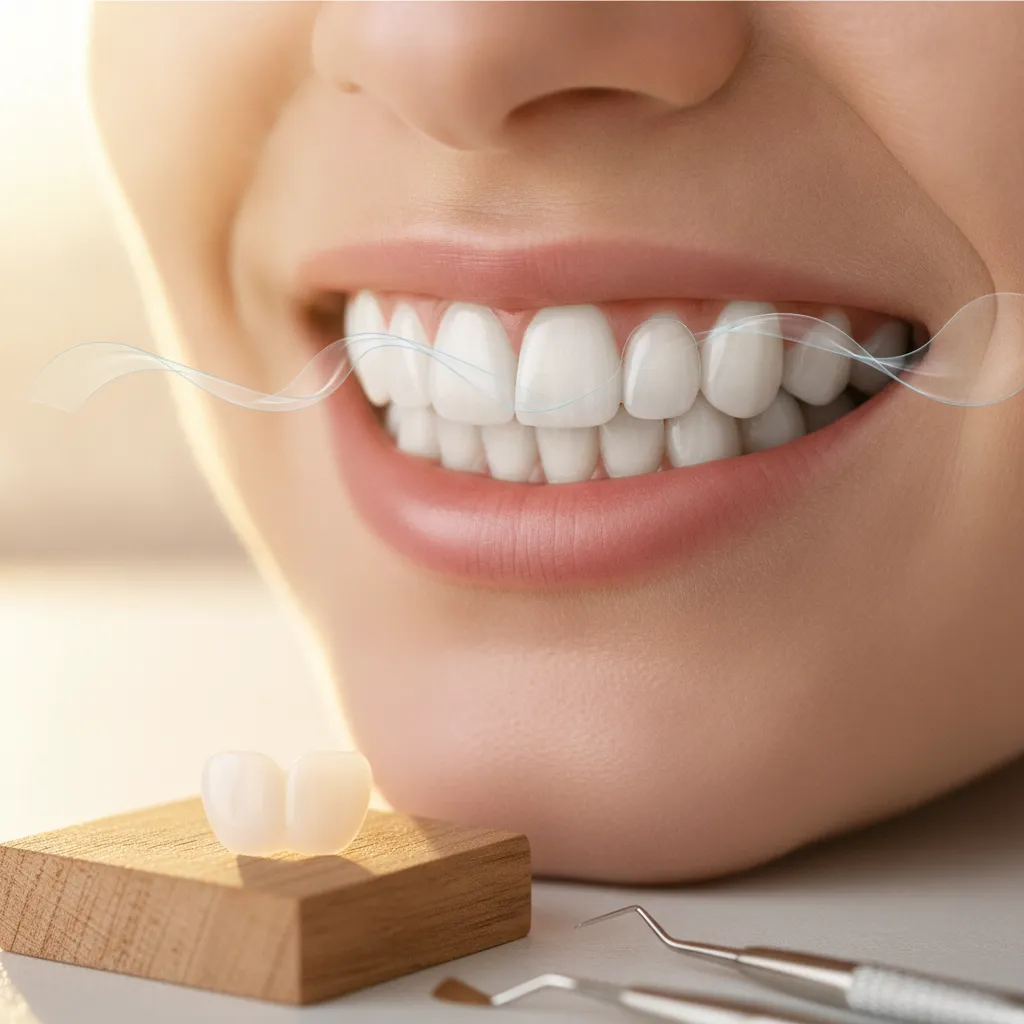
Understanding dental veneers explained is essential. Dental veneers are thin shells of porcelain or composite resin bonded to the front surface of teeth to improve their color, shape, or size. A dentist removes a small amount of enamel, typically 0.3–0.5 mm, to create a flush fit, then permanently cements the veneer in place. Because enamel removal is irreversible, veneers are a lifelong commitment. With proper care, porcelain veneers last 10–25 years; composite veneers typically last 5–7 years.
Dental Veneers Explained: What They Are and How They Work
A dental veneer is a 0.3–0.5 mm shell bonded to the front surface of a tooth, not a cap, not a crown, but a precisely fitted facade [1]. According to Cleveland Clinic’s overview of dental veneers, they are one of the most effective cosmetic dental treatments available for improving smile aesthetics without extensive tooth reduction. This is particularly relevant for dental veneers explained.
Crowns encase the entire tooth. Veneers cover only the labial (front-facing) surface, which is why they require far less tooth reduction. They correct cosmetic problems, staining, chips, gaps, and minor misalignment, but they do not fix structural damage or bite issues. If a tooth is cracked below the gumline or a patient has a significant bite misalignment, a veneer is the wrong tool.
“Veneers are a fantastic option for patients who want a dramatic cosmetic improvement without the more invasive preparation required for a full crown. The key is proper patient selection — not every smile concern is a veneer problem.” — Dr. Michael Apa, Cosmetic Dentist and Clinical Instructor, NYU College of Dentistry
What Happens to Your Natural Teeth Under Veneers
Before a veneer bonds, a dentist removes a thin layer of enamel, typically 0.3–0.5 mm, from the front of the tooth [1]. This step is permanent. Enamel does not regenerate, so the tooth will always need a veneer or crown for protection from that point forward.
This is the most consequential fact in any dental veneers explained conversation: the procedure is irreversible. Patients who understand this upfront make better, more confident decisions about whether veneers are right for them.
How the Veneer Placement Procedure Is Performed
The standard process runs across 2–3 appointments [1]:
- Consultation and treatment planning: The dentist evaluates tooth structure, discusses goals, and confirms veneers are appropriate for the case.
- Tooth preparation and impressioning: Enamel is reduced, and a precise impression (or digital scan) is taken and sent to a dental lab. Temporary veneers are placed at this appointment and worn for 1–2 weeks while the permanent shells are fabricated.
- Final bonding: The dentist checks fit and color, etches the tooth surface, and cements the veneer permanently using dental-grade bonding cement [1].
For a visual walkthrough of the veneer placement process, this step-by-step dental veneer procedure video provides a helpful overview of what patients can expect at each appointment stage.
At Villagio Family & Cosmetic Dental, each stage is paced to give patients time to review their temporary veneers and confirm the shape and shade before anything is made permanent, a step that matters when the result is irreversible.
Porcelain vs. Composite Veneers: Which Material Is Right for You
Porcelain veneers last longer and resist staining better; composite veneers cost less upfront and require just one appointment, your priorities determine the right choice. When considering dental veneers explained, this point stands out.
Which Veneer Material Lasts Longer
Porcelain veneers last 10–25 years [1]; composite resin veneers last 5–7 years. That 2–3x longevity gap matters when you’re calculating the real cost of either option over a decade.
Porcelain is non-porous, so it resists staining from coffee, red wine, and tobacco far better than composite. Composite can visibly discolor within 2–3 years of regular exposure to those substances, a practical consideration for patients who aren’t ready to change daily habits.
The fabrication process also differs. Porcelain veneers are made in a dental lab and typically require two appointments spaced 2–3 weeks apart [1]. Composite veneers are sculpted directly on the tooth chairside, usually in a single visit.
One subset worth understanding in any dental veneers explained conversation: no-prep or minimal-prep veneers, such as Lumineers. These are ultra-thin porcelain shells that require little to no enamel removal before placement. They work well for specific tooth shapes and spacing, but they aren’t appropriate for every patient, and a dentist must confirm candidacy before recommending them.
“Porcelain remains the gold standard for veneer material because of its superior light-reflecting properties and long-term color stability. When patients want results that look natural and last, porcelain is almost always the right conversation to have.” — Dr. Ronald Goldstein, Author of Esthetics in Dentistry and Pioneer in Cosmetic Dentistry
How Porcelain and Composite Veneers Compare in Cost
Porcelain veneers average $925–$2,500 per tooth; composite veneers run $250–$1,500 per tooth [1]. Composite looks less expensive at first glance.
Over 10 years, though, a composite veneer placed at age 35 may need full replacement once or twice, closing much of that upfront price gap. At Villagio Family & Cosmetic Dental, the treatment planning conversation always includes long-term cost, not just the day-one number, so patients in Katy and the surrounding Cinco Ranch area can weigh both options with full information.
Risks and Downsides of Dental Veneers You Should Know Before Committing
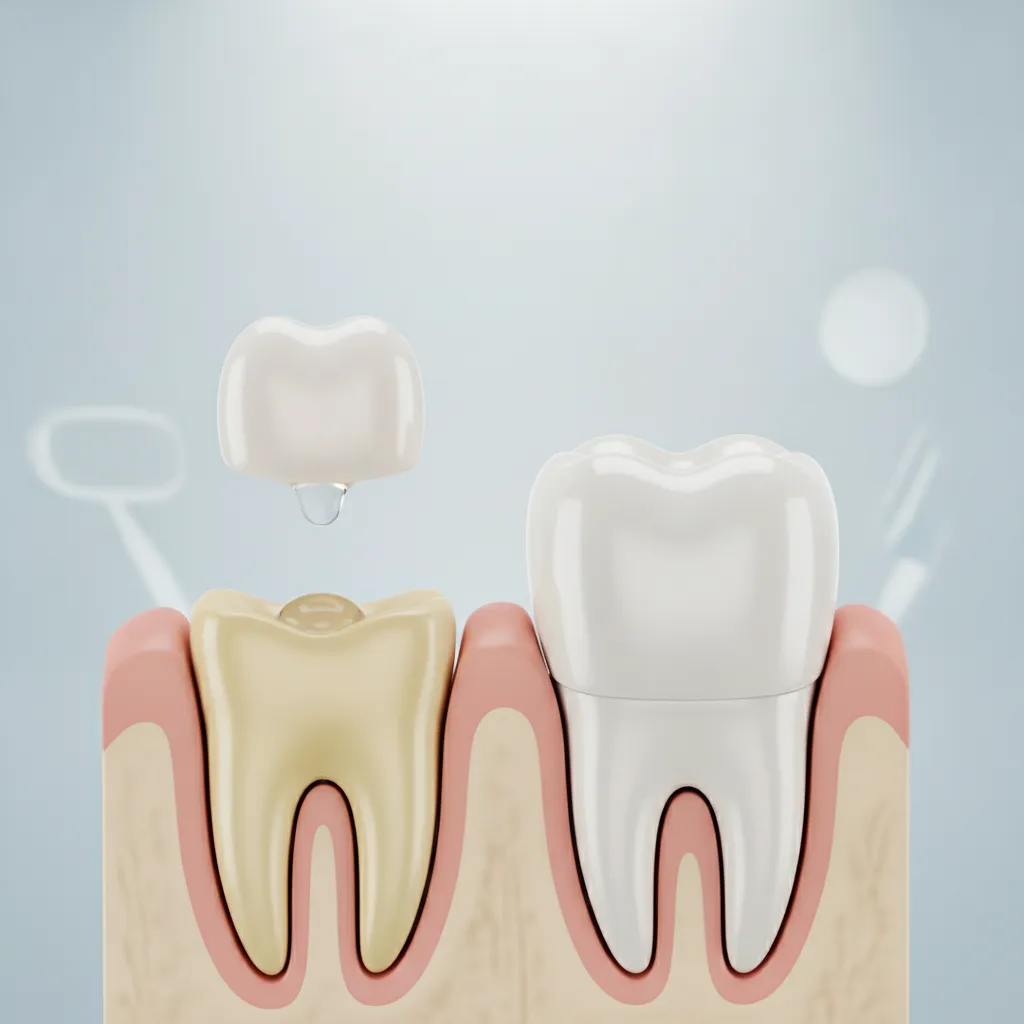
Dental veneers are permanent, once enamel is removed, it cannot grow back, making this one of the most consequential cosmetic decisions a patient can make. For those exploring dental veneers explained, this matters.
Any honest dental veneers explained conversation has to include the downsides. Veneers suit many patients well, but they are not appropriate for everyone, and the irreversibility alone warrants careful consideration before you commit.
Why Some Dentists Advise Against Veneers
Dentists routinely decline to place veneers on patients with active gum disease, untreated tooth decay, or insufficient enamel, the bonding agent needs healthy, intact enamel to hold [1]. Without enough enamel, the veneer simply will not bond securely.
Bruxism (teeth grinding) is another disqualifying condition unless the patient wears a night guard consistently. The occlusal force from grinding can crack porcelain or debond the veneer entirely. Patients who need orthodontic correction should complete that treatment first, placing veneers over a misaligned bite accelerates premature failure because the forces hitting each tooth are uneven.
Veneers also do not address structural or bite problems. They are a cosmetic surface treatment, not a substitute for orthodontic or restorative work. For patients who are unsure whether they qualify, a detailed consultation with a cosmetic dentist is the most reliable way to assess candidacy. You can also review this patient-focused video explanation of dental veneers to better understand what the process involves before your first appointment.
Potential Complications and Side Effects
Roughly 10–15% of patients experience sensitivity to hot and cold after placement [1]. This typically resolves within a few weeks, but it can persist in some cases.
Porcelain veneers can crack, chip, or debond. Unlike composite resin, which a dentist can patch chairside, porcelain cannot be repaired and must be fully replaced, adding cost and another round of enamel reduction. Because the underlying tooth is permanently altered, a failed veneer usually requires a new veneer or a crown. The tooth has no path back to its original state.
“The most common mistake patients make is rushing into veneers without fully understanding that this is a permanent alteration to their natural teeth. A thorough informed consent process isn’t just good ethics — it leads to happier, more satisfied patients long-term.” — Dr. John Kois, Founder, Kois Center for Advanced Dental Education
How Much Do Dental Veneers Cost and How Long Do They Last
Porcelain veneers cost $925–$2,500 per tooth in the US; a full smile makeover set of 8 runs $7,400–$20,000 out of pocket. This directly impacts dental veneers explained outcomes.
What’s the Average Cost of a Full Set of Veneers
Composite veneers are less expensive, a full set of 8 typically runs $2,000–$12,000, but the lower upfront price doesn’t always mean lower long-term cost. Understanding this gap is one of the most practical parts of getting dental veneers explained before you commit.
Dental insurance almost never covers veneers because insurers classify them as cosmetic treatment. Plan to pay out of pocket, or ask your dentist about financing options like CareCredit or an in-house payment plan. Villagio Family & Cosmetic Dental offers flexible payment options so the cost doesn’t become a barrier to the smile you want.
Geographic location and dentist experience are the two biggest price drivers. A cosmetic dentist in Manhattan typically charges 40–60% more than a general dentist in a mid-size market like Katy, TX, for the same material and procedure. Dentists with advanced cosmetic training and a strong portfolio of veneer cases command higher fees, and that premium is usually justified by more predictable aesthetic results. It is also worth noting that the number of teeth being treated affects total cost significantly — patients treating only two or four teeth will pay considerably less than those pursuing a full-arch transformation involving eight to ten veneers.
When Do Veneers Need to Be Replaced
Porcelain veneers typically last 10–25 years [1] before replacement becomes necessary. Signs it’s time include chipping, staining at the margins where the veneer meets the gumline, or debonding, where the shell separates from the tooth surface.
Composite veneers often need significant repair or full replacement at the 5–7 year mark. Factor in two or three replacement cycles over 20 years, and the true cost of composite approaches, or exceeds, the one-time investment in porcelain.
Who Is a Good Candidate for Veneers and How to Care for Them Long-Term
Good candidates have healthy gums, adequate enamel, no active decay, and cosmetic concerns that whitening or bonding alone cannot fix.
Candidacy Criteria and Who Should Not Get Veneers
Any dental veneers explained conversation has to address fit, because veneers work best for specific situations, not every smile concern. The ideal candidate presents with cosmetic issues such as deep intrinsic staining, minor chips, small gaps, or slight misalignment that affects appearance but not bite function.
Patients with gum disease or active cavities must resolve those conditions first. Veneers bond to enamel, so severely worn enamel, from acid erosion or heavy grinding, may leave too little surface for a reliable bond. This is particularly relevant for dental veneers explained.
Bruxism (teeth grinding) is not an automatic disqualifier. A custom-fitted night guard, worn consistently, reduces fracture risk enough that many dentists will proceed with veneer placement. Discuss your grinding history openly at your consultation so the dentist can factor it into the treatment plan.
Daily Care and Maintenance After Veneer Placement
Porcelain veneers can last 10 to 25 years [1] with the right daily habits. Use a non-abrasive fluoride toothpaste and a soft-bristle brush, abrasive whitening toothpastes scratch the porcelain glaze and accelerate surface staining over time. Floss daily; the margins where veneer meets tooth are common spots for plaque accumulation.
Avoid biting ice, fingernails, or pen caps, which can fracture the porcelain. Limit coffee, red wine, and tea, or rinse with water immediately after drinking them to reduce staining exposure. Wearing a custom night guard if you grind your teeth is one of the single most effective steps you can take to extend the life of your veneers, particularly for porcelain, which cannot be repaired once cracked. Regular six-month dental checkups allow your dentist to monitor the condition of each veneer, catch early signs of marginal wear, and polish the surfaces professionally to maintain their original luster.
At Villagio Family & Cosmetic Dental, every 6-month cleaning includes professional polishing of veneer surfaces. That appointment also gives the dentist a chance to catch early debonding or marginal staining before it becomes a full replacement issue.
Frequently Asked Questions
Do veneers hurt to get?
Most patients experience little to no pain during the veneer procedure because dentists apply local anesthesia before removing enamel. You may feel mild sensitivity in the days after placement, especially to hot and cold, but this typically fades within one to two weeks. Over-the-counter pain relievers handle any post-procedure discomfort for the majority of patients.
Can veneers be removed or reversed?
Porcelain veneers are considered a permanent, irreversible treatment because the dentist removes a thin layer of enamel, usually 0.5 mm, that cannot grow back [1]. Once that enamel is gone, the tooth will always need a veneer or crown for protection. Composite veneers remove less enamel and are easier to replace, but they are not fully reversible either. When considering dental veneers explained, this point stands out.
Are veneers covered by dental insurance?
Dental insurance rarely covers veneers because insurers classify them as a cosmetic procedure rather than a medically necessary treatment. Some plans may contribute if a veneer is placed to restore a tooth damaged by injury, but coverage is the exception, not the rule. Ask your insurance provider for a pre-authorization review before scheduling.
How do veneers differ from dental crowns and bonding?
Veneers cover only the front surface of a tooth; crowns cap the entire tooth and are used when structural damage is significant [1]. Composite bonding applies tooth-colored resin directly to the tooth surface with no enamel removal, making it the most reversible option, but bonding stains more easily and typically lasts five to seven years compared to ten to twenty for porcelain veneers. The right choice depends on how much of the tooth needs correction.
How many teeth do most patients get veneers on?
Most patients choose to veneer the teeth that show most prominently when they smile, typically the upper front six to eight teeth. Some patients treat as few as one or two teeth to address a specific chip or discoloration, while others pursue a full-arch treatment of ten or more teeth for a complete smile transformation. Your dentist will recommend the number based on your smile line, the symmetry of your existing teeth, and your aesthetic goals.
Conclusion
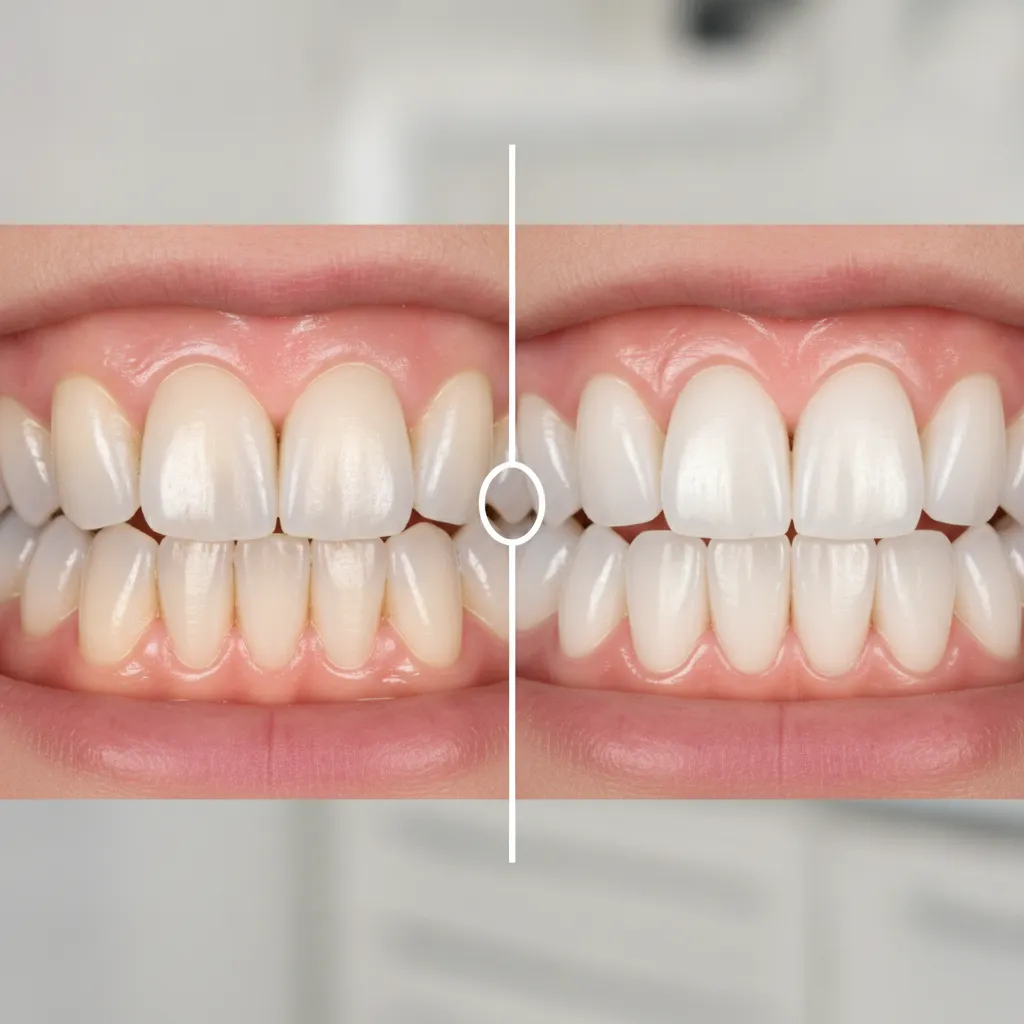
Dental veneers are a well-established cosmetic option, but the material you choose, the condition of your underlying teeth, and how well you maintain them after placement all determine whether you get a decade of results or a costly redo. Porcelain holds up longer and resists staining; composite costs less upfront but demands more frequent replacement. Neither is the right answer for every patient.
If you’re weighing veneers for teeth in the Katy, Fulshear, Richmond, or Cinco Ranch area, the clearest next step is a consultation at Villagio Family & Cosmetic Dental, bring photos of smiles you like and a list of the specific teeth you want to address. That gives your dentist concrete information to build a treatment plan around, rather than starting from a blank slate.
Sources & References
- Veneers: What Are Dental Veneers? Cost, Procedure & Advantages — Cleveland Clinic
Recommended Articles
Explore more from our content library: