Proudly Serving Katy, Richmond & Fulshear Cinco Ranch
(281) 395-2100
|
(281) 394-4001

Cosmetic smile improvements include teeth whitening, porcelain veneers, dental bonding, and gum contouring, each targeting a specific aesthetic concern like discoloration, chips, gaps, or uneven gum lines. Whitening is the fastest and most affordable entry point, while veneers deliver the most dramatic, longest-lasting transformation. The right treatment depends on your baseline oral health, budget, and how much change you want to see.
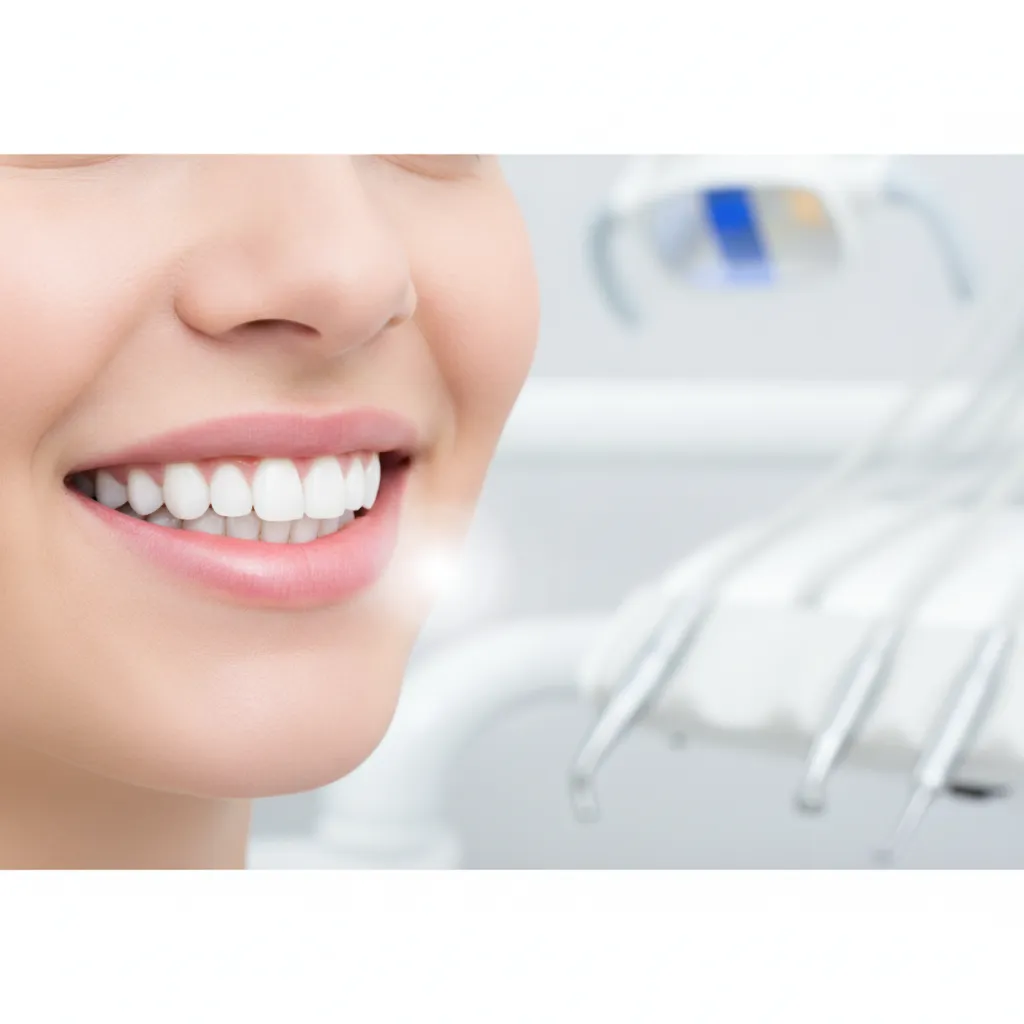
Explore Your Cosmetic Smile Improvements: Treatments at a Glance
Four procedures cover the majority of cosmetic smile improvements: teeth whitening, porcelain veneers, dental bonding, and gum contouring, each correcting a distinct aesthetic problem. According to Cleveland Clinic’s overview of cosmetic dentistry, these procedures can significantly enhance both the appearance and confidence of patients when properly planned and executed.
“Cosmetic dentistry has evolved to the point where patients can achieve dramatic smile transformations with minimally invasive techniques that preserve natural tooth structure.” — Dr. Ronald Goldstein, Pioneer of Modern Cosmetic Dentistry and Author of Esthetics in Dentistry
What’s the Difference Between Whitening, Veneers, Bonding, and Gum Contouring?
Professional teeth whitening is the fastest entry point. A single in-office session, typically 60–90 minutes, lifts stains 4–8 shades [3]. Over-the-counter whitening strips, by comparison, typically achieve 1–2 shades at best [3]. If surface discoloration is your only concern, whitening alone may be all you need. This is particularly relevant for cosmetic smile improvements.
Porcelain veneers cover the entire visible surface of a tooth, correcting color, shape, size, and minor misalignment in one procedure [2]. No other single treatment addresses that many concerns simultaneously, which makes veneers the highest-impact option available. Villagio Family & Cosmetic Dental offers porcelain veneers as part of a full cosmetic treatment menu for patients in Katy, Fulshear, and the surrounding communities.
Dental bonding applies tooth-colored composite resin directly to the tooth to repair chips, close small gaps, or change a tooth, all in a single visit with no enamel removal required [3]. It costs less than veneers and works well for isolated imperfections.
Gum contouring (gingivoplasty) uses a soft-tissue laser to change the gum line, correcting a “gummy smile” or uneven tissue [3]. Many patients overlook it, but gum symmetry has a measurable effect on how balanced a smile appears overall.
Are There Cosmetic Dentistry Options Beyond the Four Core Treatments?
Yes, the four core treatments aren’t the only path. Invisalign clear aligners address moderate crowding and spacing without metal brackets. Tooth-colored composite fillings replace old silver amalgam restorations for a cleaner look. Dental implants replace missing teeth with a permanent, natural-looking result [1]. As outlined in this overview of ways cosmetic dentistry can help your smile, combining multiple treatments often produces the most comprehensive and satisfying outcome. Your dentist at Villagio Family & Cosmetic Dental can help you identify which combination fits your goals and oral health baseline.
Assess Whether You Are a Good Candidate for Cosmetic Dental Work
Good candidates for cosmetic smile improvements have healthy gums, no untreated cavities, and stable bone structure before any elective procedure begins.
Active gum disease, unresolved cavities, or significant bone loss must be treated first. Cosmetic work placed on a compromised foundation deteriorates faster and costs considerably more to repair than if the underlying problem had been addressed at the outset.
Teeth grinders (bruxists) face specific limitations. Porcelain veneers are a poor fit without a custom night guard, because the grinding force will crack them. Dental bonding is more forgiving, but even composite resin chips under heavy, repeated bite pressure.
Staining habits directly affect how long whitening results last. Smokers and frequent coffee or red-wine drinkers typically see results fade within 6 months, while non-smokers who avoid heavy staining foods can expect results to hold for 1–2 years. When considering cosmetic smile improvements, this point stands out.
Age matters too. Teens with still-developing teeth are generally not candidates for veneers, because the pulp chamber is larger and the tooth structure is still changing. Whitening and bonding carry fewer age restrictions and are more appropriate interim options.
“The single most important factor in determining whether a patient is a good cosmetic dentistry candidate is the health of the underlying gum and bone tissue. Aesthetics built on a compromised foundation will always underperform.” — Dr. Gordon Christensen, Founder, Clinicians Report Foundation
When Is Cosmetic Dentistry the Right Choice Versus Restorative Treatment?
Restorative dentistry, crowns, fillings, implants, repairs function and is often at least partially covered by dental insurance. Cosmetic dentistry improves appearance and is almost never covered. Knowing which category your concern falls into prevents sticker shock at the treatment plan stage.
At Villagio Family & Cosmetic Dental, the initial consultation separates these two categories clearly, so patients understand what their insurance may contribute before committing to a treatment plan.
Can You Combine Cosmetic and Restorative Dentistry for Better Outcomes?
Yes, and in many cases, combining both produces the most durable result. A tooth restored with a crown, for example, can be shaded to match a whitened smile. Sequencing matters: complete all restorative work first, then finalize cosmetic procedures so color and shape decisions are made on a stable, healthy foundation. For more information, see Automated Demo Scheduling And Coordination.
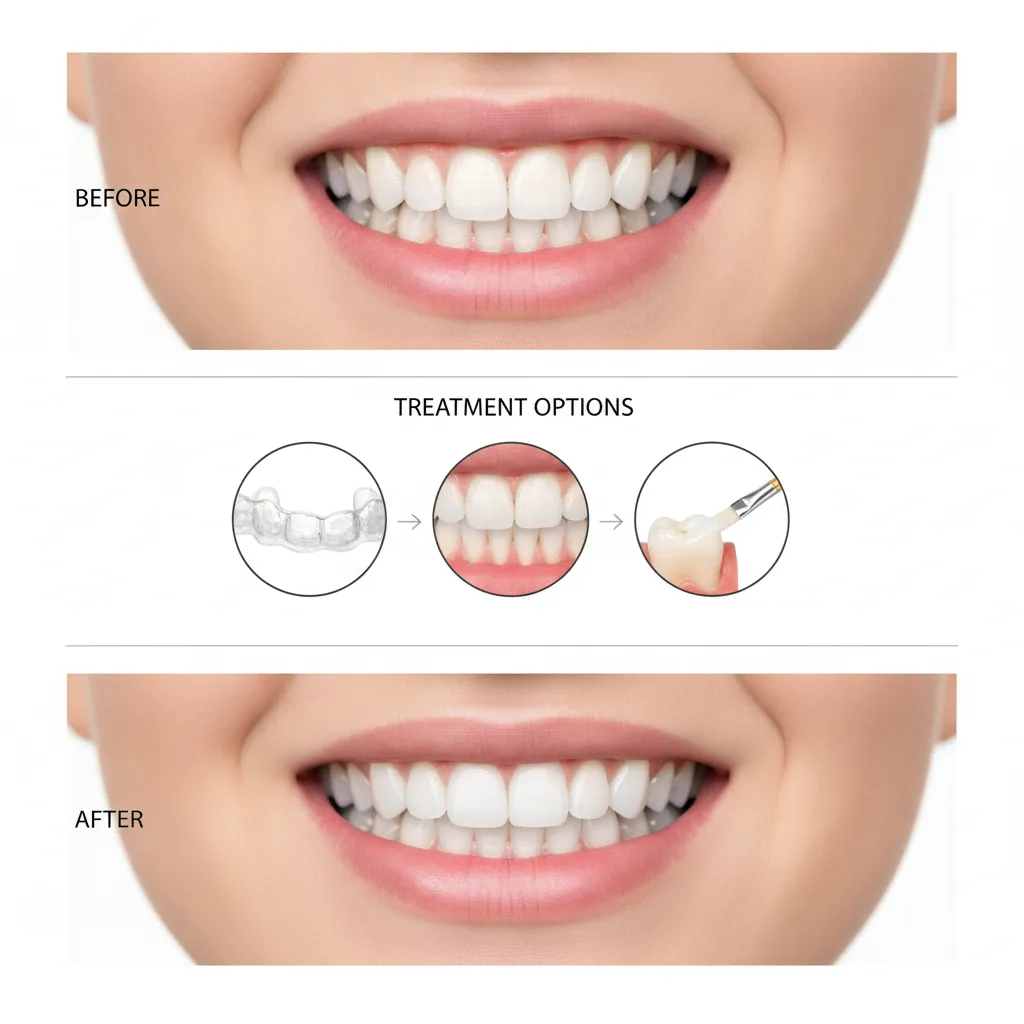
Compare Costs and Longevity Before Committing to a Procedure
Cosmetic dental treatment costs range from $200 to $2,500 per tooth, and results last anywhere from 1 to 20+ years depending on the procedure.
Most patients focus on the upfront price and overlook cost-per-year, which is where the real comparison lives. Running those numbers before you book a consultation helps you choose a cosmetic smile improvement that fits both your budget and your timeline. For a detailed breakdown of the most popular procedures and what each one involves, this guide to the top cosmetic dentistry procedures offers a useful reference point.
How Much Does Each Cosmetic Dental Treatment Cost Compared to the Others?
| Procedure | Typical Cost | Notes |
|---|---|---|
| In-office teeth whitening | $300–$1,000 | At-home trays from a dentist run $200–$400 and extend results when used quarterly |
| Porcelain veneers | $900–$2,500 per tooth | Highest upfront cost; irreversible because enamel is removed [2] |
| Dental bonding | $200–$600 per tooth | Most affordable entry point; repairable chairside in a single visit [3] |
| Gum contouring | $200–$3,000 total | Price scales with the number of teeth treated [3] |
At Villagio Family & Cosmetic Dental, the team walks patients through these numbers during the consultation, so there are no surprises when the treatment plan arrives. For those exploring cosmetic smile improvements, this matters.
How Long Do Veneers, Bonding, Whitening, and Gum Contouring Actually Last?
Porcelain veneers last 10–20 years with proper care [2], making them the lowest cost-per-year option despite the highest sticker price. Whitening results hold for 1–3 years with maintenance; skipping quarterly touch-up trays shortens that window noticeably [1].
Dental bonding lasts 3–10 years depending on bite habits and how well the surface is protected [3]. The trade-off for that lower entry price is more frequent touch-ups, though a skilled dentist can repair bonding chairside in one appointment.
Gum contouring stands apart: results are permanent because laser-removed gum tissue does not regenerate [3]. That permanence makes the pre-treatment consultation especially important.
On the maintenance side, veneers require professional polishing with a non-abrasive paste to avoid surface scratching. Whitening patients need periodic tray sessions. Bonding, while the most touch-up-prone, remains the easiest to fix when something does chip.
Avoid These Common Mistakes When Pursuing Cosmetic Dental Work
Most cosmetic smile improvements fail not because of the procedure itself, but because of preventable errors made before or after the chair.
Skipping the baseline oral health exam. Patients who place veneers over undetected decay frequently need those veneers removed within 2–3 years to treat the underlying problem, paying twice for the same teeth. At Villagio Family & Cosmetic Dental, every cosmetic consultation begins with a full clinical exam precisely to catch these issues before any cosmetic work starts.
Choosing a whitening shade that’s too aggressive. A shade that’s whiter than the whites of your eyes reads as artificial under natural light. A skilled cosmetic dentist matches your target shade to your skin tone and eye color, not to a bleach chart.
Selecting a provider based on the lowest quote. Veneer placement and bonding are technique-sensitive procedures. A poorly seated veneer can cause bite misalignment, chronic sensitivity, or gum recession, problems that cost significantly more to correct than the original savings. This directly impacts cosmetic smile improvements outcomes.
Neglecting post-treatment maintenance. Patients who whiten and then return to daily coffee without touch-up trays typically revert to their original shade within 4–6 months. Whitening is a maintenance routine, not a one-time fix.
Ignoring bite problems before veneers. An uncorrected deep bite or crossbite places uneven pressure across veneer surfaces, and that uneven load is the leading cause of premature veneer fracture. Address bite alignment first; cosmetic work lasts longer when the foundation is sound.
“Patients who invest in cosmetic dentistry and then neglect their maintenance schedule are essentially paying full price for half the result. The procedure is only the beginning of the process.” — Dr. Irwin Smigel, Founder, American Society for Dental Aesthetics
Choose the Right Cosmetic Dentist and Maintain Your Results Long-Term
Vet your dentist by checking AACD membership and case volume, then follow a structured maintenance schedule to protect your cosmetic smile improvements for years.
What Should You Look for When Selecting a Cosmetic Dentist?
Start with credentials. Membership in the American Academy of Cosmetic Dentistry (AACD) signals that a dentist has completed documented training beyond general dental school requirements. Ask to see a portfolio of at least 10–15 before-and-after cases that match your specific concern, tooth discoloration, chipping, or gaps, not a generic gallery of mixed results.
Ask directly: “How many of this procedure do you perform per month?” A dentist completing fewer than 5 veneers monthly is unlikely to have the case volume that builds consistent technique. High repetition matters in cosmetic work, where margin errors of fractions of a millimeter affect the final look.
Before committing to any irreversible procedure, request a digital smile preview or wax-up mockup. Reputable cosmetic dentists offer this as standard practice, it lets you approve the shape, length, and color before any enamel is touched. At Villagio Family & Cosmetic Dental, this preview step is built into the consultation process for veneers and similar treatments. For a deeper breakdown of provider credentials and what the role actually covers, read our What Does a Cosmetic Dentist Do? article.
What’s Involved in Maintaining Your New Smile After Cosmetic Dental Work?
Most cosmetic results last years with a consistent schedule. Follow this maintenance roadmap after treatment:
- Professional cleaning every 6 months, removes surface staining before it bonds to veneers or bonding resin and lets your dentist catch early wear.
- Whitening touch-up trays every 3–6 months, natural teeth adjacent to restorations can shift shade over time; custom trays keep the color balanced.
- Night guard if you grind, bruxism is one of the fastest ways to crack bonding or chip porcelain; a custom guard typically costs $300–$600 and protects a far larger investment.
- Annual check of bonding edges, composite bonding can develop micro-chips at the margins; catching these early means a simple polish rather than a full replacement.
Skipping any one of these steps doesn’t immediately ruin results, but the compounding effect over 3–5 years is significant. Treat the maintenance schedule the same way you treat the initial procedure, as a planned, budgeted part of the process. Patients who stay consistent with their follow-up appointments also give their dentist the opportunity to spot early signs of wear or shifting that, if caught promptly, require only minor intervention rather than full retreatment. This is particularly relevant for cosmetic smile improvements.
Frequently Asked Questions
Does insurance cover cosmetic smile improvements?
Most dental insurance plans do not cover purely cosmetic procedures like veneers, whitening, or gum contouring because insurers classify them as elective. However, some treatments, such as dental bonding used to repair a chipped tooth, may qualify for partial coverage if your dentist documents a functional need. At Villagio Family & Cosmetic Dental, the team can help you identify which portions of your treatment plan may be billable under a restorative code and discuss flexible financing options for the remainder.
How painful are cosmetic dental procedures like veneers or gum contouring?
Most cosmetic dental procedures cause minimal discomfort because dentists apply local anesthesia before any prep work begins [3]. Veneer placement involves light enamel removal, which patients typically feel as pressure rather than pain. Gum contouring, performed with a soft-tissue laser, usually produces mild soreness for two to three days post-procedure, manageable with over-the-counter pain relievers like ibuprofen.
Can cosmetic dentistry fix crooked teeth, or do I need orthodontics first?
Mild crowding or spacing issues can often be addressed with cosmetic options like porcelain veneers or dental bonding without orthodontic treatment [2]. Moderate-to-severe misalignment, however, typically requires orthodontics first, either traditional braces or clear aligners, so that cosmetic work sits on a properly aligned foundation. Your dentist will assess the degree of crowding at your consultation and recommend the most direct path to the result you want.
How soon after cosmetic dental work can I eat and drink normally?
The timeline depends on the procedure: after teeth whitening, dentists generally advise avoiding staining foods and drinks, coffee, red wine, berries, for at least 48 hours [1]. Bonding and veneers are fully set when you leave the chair, so you can eat soft foods the same day, though your dentist may recommend avoiding hard or crunchy foods for 24 hours while any gum sensitivity settles.
How do I know which cosmetic smile improvement is right for me?
The best starting point is a comprehensive consultation with a qualified cosmetic dentist who can evaluate your current oral health, identify any restorative needs, and discuss your aesthetic goals. Patients with isolated staining typically benefit most from professional whitening, while those with chips, gaps, or shape concerns often see better results with bonding or veneers. A dentist who offers digital smile previews or wax-up mockups allows you to visualize outcomes before committing to any irreversible procedure.
Conclusion
Cosmetic smile improvements work best when you treat them as a planned process rather than a single appointment. Start by identifying your primary concern, staining, chips, shape, or proportion, because that one factor determines whether whitening, bonding, veneers, or a combination makes the most clinical sense. Second, confirm with your dentist which procedures address a functional need, since that distinction directly affects what your insurance may cover.
If you’re in the Katy, Fulshear, or Cinco Ranch area, schedule a cosmetic consultation at Villagio Family & Cosmetic Dental and ask specifically for a side-by-side comparison of your treatment options with estimated timelines, that single conversation will give you a concrete plan instead of a general estimate.
Sources & References
- Cosmetic Dentistry: Purpose, Procedures & Benefits
- 8 Ways Cosmetic Dentistry Can Help Your Smile
- Top 4 Cosmetic Dentistry Procedures to Enhance Your Smile
Recommended Articles
Explore more from our content library: