Proudly Serving Katy, Richmond & Fulshear Cinco Ranch
(281) 395-2100
|
(281) 394-4001

Understanding gum disease causes is essential. Gum disease is caused primarily by bacterial plaque buildup along the gumline, which triggers an inflammatory immune response that damages gum tissue and bone. Poor oral hygiene is the most common driver, but smoking, uncontrolled diabetes, certain medications, genetic predisposition, and systemic conditions like heart disease and rheumatoid arthritis all significantly raise your risk. Left untreated, it progresses from reversible gingivitis to periodontitis, a leading cause of adult tooth loss.
Gum Disease Causes: What Actually Starts the Process
Plaque, a sticky bacterial biofilm, is the root cause of gum disease, but it’s your immune system’s response to that bacteria that destroys tissue and bone.
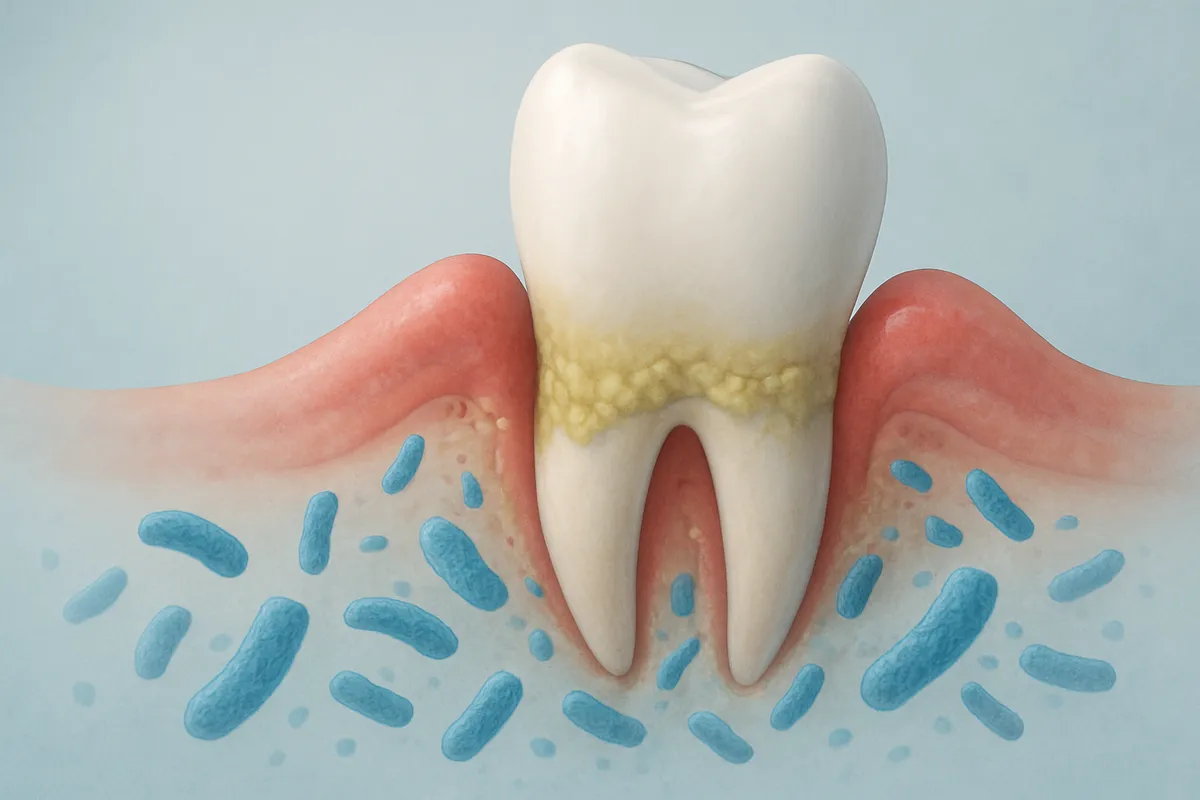
Plaque forms on tooth surfaces within 24 hours of brushing [2]. Left undisturbed, it absorbs minerals from saliva and hardens into tartar (calculus), a deposit so dense that no amount of brushing removes it. Only a professional cleaning can clear calculus once it forms [2].
The bacteria inside that biofilm release toxins that irritate the gum tissue. Your immune system responds with inflammation, and that inflammatory response, sustained over months and years, is what erodes the soft tissue and alveolar bone supporting your teeth [1]. The bacteria trigger the process; your own immune response does the structural damage.
According to the National Institute of Dental and Craniofacial Research, the CDC estimates that nearly 47% of U.S. adults over 30 have some form of periodontal disease, a figure that reflects how quietly gum disease causes accumulate before symptoms become obvious.
“Periodontal disease is largely preventable, yet it remains one of the most prevalent chronic conditions in adults — primarily because the early stages are painless and go undetected without professional screening.” — Dr. Joan Otomo-Corgel, Past President, American Academy of Periodontology
What Are the Main Risk Factors for Developing Gum Disease?
Poor oral hygiene is the most direct risk factor, but several others accelerate the process significantly. Smoking reduces blood flow to gum tissue, impairing the healing response [1]. Genetic predisposition means some patients develop severe periodontitis even with consistent home care. Hormonal shifts during pregnancy and menopause increase gum sensitivity and susceptibility to infection. Low vitamin C intake weakens the connective tissue that anchors teeth in place [1]. Recognizing these gum disease causes early gives patients and clinicians the best chance to intervene before irreversible damage occurs.
How Does Gum Disease Progress from Gingivitis to Periodontitis?
Gingivitis, red, swollen, bleeding gums, is fully reversible with professional cleaning and improved home care [2]. It becomes periodontitis when plaque colonizes below the gumline long enough to trigger bone loss [2]. At that stage, the damage to supporting bone is permanent. Villagio Family & Cosmetic Dental treats patients across this entire spectrum, from early-stage gingivitis to active periodontitis, and the single most important variable in outcomes is how early intervention begins.
How Bacteria and Biofilm Trigger Periodontal Disease
Specific bacterial species colonizing below the gumline, not generalized oral bacteria, are the primary biological gum disease causes at the microbial level.
Which Bacterial Species Are Responsible for Gum Disease?
Research has identified a trio of pathogens, Porphyromonas gingivalis, Treponema denticola, and Tannerella forsythia, collectively called the “red complex,” as the species most strongly linked to aggressive periodontitis. These organisms thrive in the oxygen-poor environment below the gumline and drive the tissue destruction that defines advanced gum disease [2].
Porphyromonas gingivalis is particularly destructive. It produces enzymes called gingipains, cysteine proteases that break down immune-signaling proteins, effectively disabling the body’s ability to clear the infection. The bacterial community exploits this window to entrench itself deeper into periodontal tissues.
Genetic variation also plays a role. People carrying certain variants in IL-1 cytokine genes mount a more intense inflammatory response to these pathogens. That explains why two people with identical brushing habits can have dramatically different disease outcomes, one develops mild gingivitis while the other progresses to bone loss.
What Is the Role of Biofilm and Plaque in Causing Gum Disease?
Plaque is not a single-species film, it is a structured, polymicrobial biofilm that develops in predictable stages [2]. Early colonizers, primarily Streptococcus species, attach to tooth surfaces and form a scaffold. Late colonizers, including the red complex pathogens, bind to that scaffold and shift the biofilm toward an anaerobic, highly destructive state.
Subgingival pockets, the spaces between tooth and gum, are oxygen-depleted, which actively favors the most harmful anaerobes. As the biofilm matures in these pockets, it becomes increasingly resistant to both saliva’s natural defenses and mechanical removal by brushing alone. Understanding how biofilm develops is central to understanding gum disease causes at the microbial level, and it underscores why professional cleanings cannot be replaced by home care alone.
Medications and Systemic Diseases That Increase Gum Disease Risk
Certain prescription drugs and chronic conditions are documented gum disease causes that most patients never connect to their oral health.
Which Medications Cause Gum Disease as a Side Effect?
Three drug classes cause gingival overgrowth, abnormal thickening of gum tissue, as a confirmed side effect. Calcium channel blockers such as nifedipine (prescribed for high blood pressure), anticonvulsants such as phenytoin (used to control seizures), and immunosuppressants such as cyclosporine (used after organ transplants) all trigger this response. The overgrown tissue traps plaque, accelerating infection below the gumline.
Dry-mouth medications are a second category worth noting. Antihistamines, antidepressants, and diuretics reduce saliva flow, which removes the mouth’s natural bacterial rinse and allows pathogenic bacteria to accumulate faster.
Why Does Diabetes Increase the Risk of Periodontal Disease?
Diabetes impairs neutrophil function, the white blood cells that attack oral bacteria, and promotes advanced glycation end-products (AGEs), which amplify gum tissue inflammation directly. Patients with an HbA1c above 7% show significantly worse periodontal outcomes than those with controlled blood sugar.
The relationship runs in both directions. Uncontrolled periodontal disease raises systemic inflammation markers that worsen glycemic control, and poorly managed blood sugar accelerates gum breakdown. This bidirectional cycle is one reason the team at Villagio Family & Cosmetic Dental asks patients about diabetes history during every periodontal screening, managing one condition affects the other.
“The two-way relationship between diabetes and periodontal disease is one of the most clinically significant examples of how oral health and systemic health are inseparable. Treating one without addressing the other consistently leads to worse outcomes for both.” — Dr. Ira Lamster, Dean Emeritus, Columbia University College of Dental Medicine
How Are Heart Disease, Rheumatoid Arthritis, and Respiratory Infections Linked to Gum Disease?
Rheumatoid arthritis and periodontitis share the same inflammatory cytokine pathways, specifically TNF-α and IL-6. Patients with RA have approximately twice the prevalence of severe gum disease compared to the general population, likely because systemic inflammation primes gum tissue for accelerated breakdown.
Respiratory infections represent an underreported connection. Aspiration of periodontal pathogens from the mouth into the lungs is linked to bacterial pneumonia and worsened COPD outcomes, a finding that makes oral hygiene directly relevant to pulmonary health [2]. For a comprehensive overview of how these systemic links are classified clinically, the Cleveland Clinic’s guide to periodontal disease causes, symptoms, and treatment provides a useful reference.
How Age Affects Gum Disease Risk and Progression
Age is one of the strongest predictors of gum disease severity, prevalence rises from 38.5% in adults aged 30–44 to 70.1% in adults 65 and older.
Are Older Adults More Susceptible to Gum Disease?
Those CDC figures reveal a clear gradient: gum disease becomes significantly more common and more severe as patients age. Three biological mechanisms drive this acceleration.
First, cumulative mechanical wear causes gingival recession over decades, exposing root surfaces that lack the protective enamel covering on crown surfaces. Second, saliva production declines with age (a condition called xerostomia), reducing the mouth’s natural ability to neutralize bacterial acids and wash away plaque. Third, tissue repair slows as cellular regeneration rates drop, meaning the gum tissue that does sustain damage heals more slowly and less completely.
Older adults also tend to take more medications. Many common drug classes, antihypertensives, antidepressants, antihistamines, and diuretics, list dry mouth as a side effect, compounding the xerostomia risk. Some drugs, including certain calcium channel blockers and anticonvulsants, can cause gingival overgrowth, which creates deeper pockets where bacteria accumulate.
Women face distinct windows of increased susceptibility tied to hormonal shifts. Puberty, pregnancy, and menopause each alter gum tissue’s inflammatory response, making these life stages among the recognized gum disease causes beyond simple hygiene habits. Villagio Family & Cosmetic Dental routinely screens for these risk factors during routine exams, particularly for patients in Katy and Cinco Ranch who may not realize hormonal changes affect oral health.
How Does Gum Disease Progression Differ Across Age Groups?
Gum disease does not follow a single trajectory at every life stage. Aggressive periodontitis, now classified under the 2017 AAP framework as Stage III or Stage IV, Grade C disease, disproportionately affects adults under 35, sometimes causing rapid bone loss in patients with otherwise adequate hygiene. This makes age a two-directional risk factor: older adults carry higher overall prevalence, but younger adults can experience faster, more destructive progression when the disease does take hold.
How to Prevent Gum Disease: Daily Habits and When to See a Dentist
Consistent brushing, daily flossing, regular professional cleanings, and managing systemic health factors prevent most gum disease before it starts.
What Daily Habits Help Prevent Gum Disease?
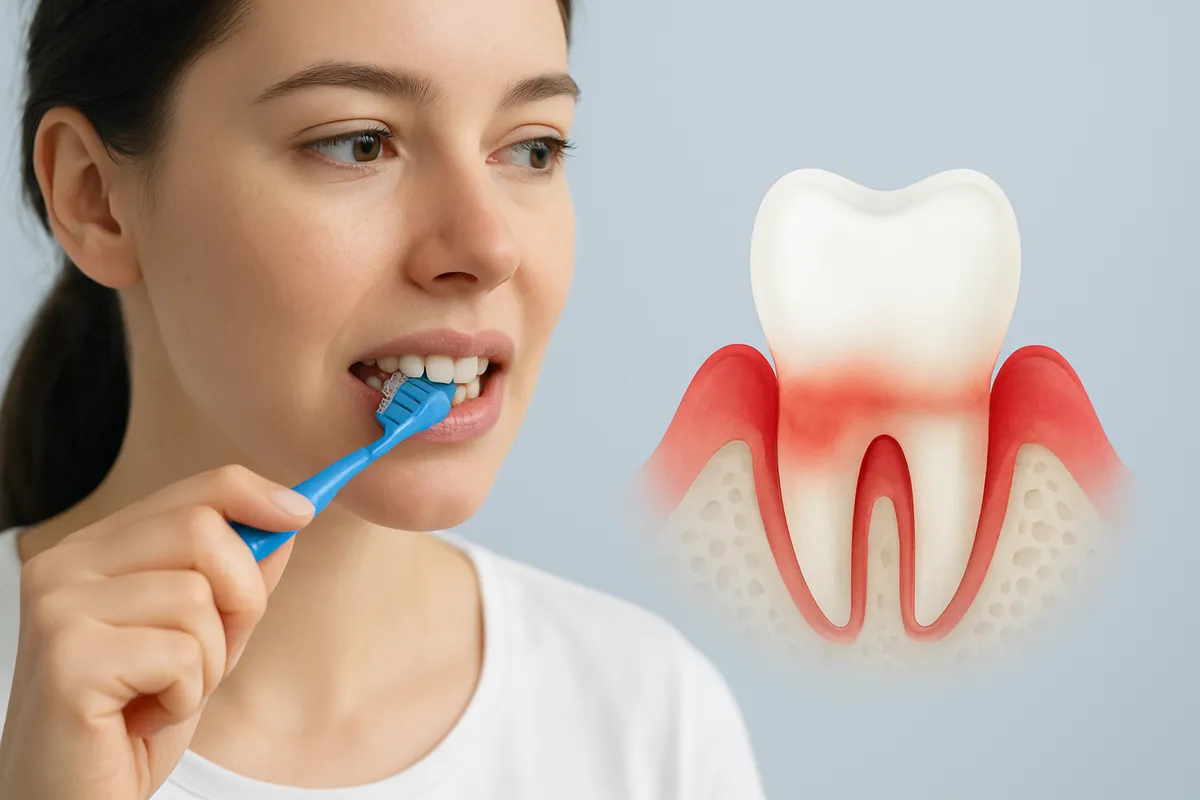
Brush twice daily for two full minutes using a soft-bristle brush angled at 45 degrees toward the gumline, this technique disrupts plaque at the margin where subgingival biofilm originates [2]. Frequency alone is not enough; the angle and duration determine whether you actually clear the bacteria that seed deeper infection.
Floss once daily, working the floss in a C-shape around each tooth and sliding it just below the gumline. Skipping flossing leaves roughly 35% of each tooth’s surface untouched by your brush.
If you smoke, quitting is the highest-impact change you can make. Smokers are 2–7 times more likely to develop periodontitis than non-smokers, and smoking suppresses gum bleeding, masking an early warning sign that would otherwise prompt faster care [1].
Systemic health management also matters directly. Diabetic patients who control blood sugar measurably reduce their periodontal risk, and correcting deficiencies in vitamin C and vitamin D supports the connective tissue and immune response that keep gums intact. These are among the same gum disease causes that make some patients more susceptible despite adequate brushing habits.
When Should You See a Dentist to Prevent or Catch Gum Disease Early?
Low-risk adults need a professional cleaning, called a prophylaxis, every six months. Patients with a history of periodontitis require periodontal maintenance visits every three to four months, because the bacterial recolonization cycle in treated sites is faster than in healthy gums [1].
Schedule an appointment at Villagio Family & Cosmetic Dental without delay if you notice any of the following:
- Gums that bleed for more than two weeks
- Visible gum recession or teeth that look longer than before
- Persistent bad breath that brushing does not resolve
- Teeth that feel loose or shift position
- Pain or discomfort when chewing
These signs indicate disease that has already progressed beyond gingivitis, earlier evaluation means simpler, less costly treatment.
Frequently Asked Questions
Can stress cause gum disease?
Stress doesn’t directly infect your gums, but it weakens the immune system in ways that make bacterial infections harder to fight off. Elevated cortisol levels reduce your body’s ability to control inflammation, which allows the bacteria in plaque to cause more damage than they would in a less stressed individual. Stress also drives habits, grinding teeth, skipping brushing, eating poorly, that accelerate gum breakdown. It’s a contributing factor, not a root cause, but a meaningful one.
Is gum disease genetic or purely caused by poor hygiene?
Gum disease has both genetic and behavioral causes, neither alone tells the full story. Some people carry genetic variants that produce a stronger inflammatory response to oral bacteria, making them more susceptible even with consistent brushing and flossing [1]. Research from the National Institute of Dental and Craniofacial Research confirms that certain individuals are simply more prone to periodontal infection [2]. Genetics sets your risk level; daily hygiene and professional cleanings determine whether that risk becomes disease.
Can gum disease come back after treatment?
Yes, gum disease can recur after treatment if the underlying causes aren’t addressed. Plaque rebuilds on teeth within hours of cleaning, and without consistent brushing, flossing, and regular professional maintenance, the bacterial infection restarts [2]. Patients treated for periodontitis typically need more frequent cleanings, every three to four months rather than every six, to keep the disease from returning. At Villagio Family & Cosmetic Dental, we build a post-treatment maintenance plan into every periodontal case.
Does smoking cause gum disease directly, or just make it worse?
Smoking both causes and worsens gum disease, the distinction matters less than the scale of the damage. Tobacco use reduces blood flow to gum tissue, impairs immune response, and masks early warning signs like bleeding, which means disease often progresses further before it’s detected [1]. Smokers are significantly more likely to develop severe periodontitis than non-smokers, and they respond more poorly to treatment. Quitting smoking is one of the highest-impact steps a patient can take to protect periodontal health.
Can children develop gum disease?
Yes, children can develop gum disease, though it is less common than in adults. Gingivitis, the earliest stage, is actually quite prevalent in children and adolescents due to inconsistent brushing habits and hormonal changes during puberty. Aggressive forms of periodontitis, while rare, can affect teenagers and young adults, sometimes causing rapid bone loss. Parents should ensure children brush twice daily, floss regularly, and attend professional cleanings every six months to address gum disease causes before they escalate.
Conclusion
Gum disease rarely has a single cause. Plaque buildup starts the process, but genetics, smoking, diabetes, dry mouth, and even chronic stress all determine how fast it progresses and how hard it is to treat. Three things matter most: brush and floss consistently to disrupt plaque before it hardens into tartar, manage systemic conditions like diabetes that amplify your risk, and don’t wait for pain, gum disease is often painless until significant damage has already occurred [2].
If your gums bleed when you brush, feel tender, or have started pulling away from your teeth, schedule a periodontal evaluation at Villagio Family & Cosmetic Dental. A clinical assessment, not a self-diagnosis, is the only way to know what stage you’re dealing with and what treatment will stop it.
Sources & References
- Periodontal Disease (Gum Disease): Causes, Symptoms & Treatment — Cleveland Clinic
- Periodontal (Gum) Disease | NIDCR — National Institute of Dental and Craniofacial Research
Recommended Articles
Explore more from our content library: