Proudly Serving Katy, Richmond & Fulshear Cinco Ranch
(281) 395-2100
|
(281) 394-4001

Understanding the dental crowns procedure is essential. A dental crown is a tooth-shaped cap cemented over a damaged, decayed, or weakened tooth to restore its shape, strength, and function. The procedure typically spans two appointments: the first to prepare the tooth and place a temporary crown, the second to bond the permanent crown. Most patients experience only mild discomfort managed with local anesthesia, and normal eating resumes within a few days.
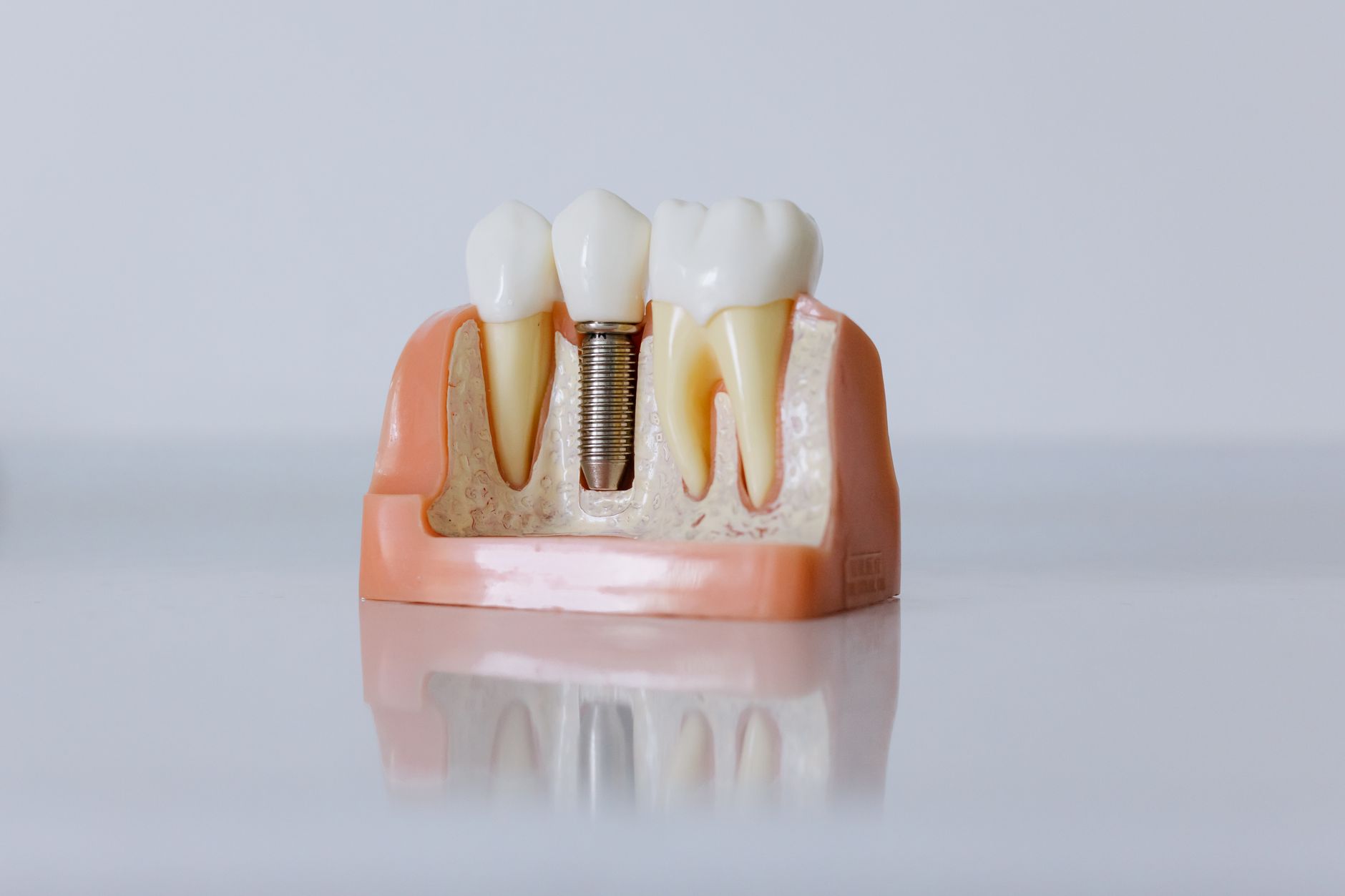
What Is a Dental Crown and When Do You Need One?
A dental crown is a full-coverage cap that encases the entire visible portion of a tooth above the gumline, restoring its shape, size, and strength. This is particularly relevant for dental crowns procedure.
That distinction matters. A veneer covers only the front surface of a tooth. A filling replaces a small section of missing tooth structure. A crown, by contrast, wraps around the whole tooth, making it the appropriate choice when a tooth is too compromised for a partial restoration to hold.
When Dentists Recommend a Crown
Several clinical situations point toward the dental crowns procedure rather than simpler alternatives [2]:
- Large decay that removes too much tooth structure for a filling to bond securely
- A cracked or fractured tooth where the crack extends toward the root
- A tooth after root canal therapy, which becomes brittle and fracture-prone without full coverage
- Severe wear from grinding or acid erosion that has reduced tooth height
- An anchor tooth for a dental bridge, which must support the load of a missing tooth’s replacement
What Happens to Your Tooth Under a Crown?
The natural tooth remains, but it is changed first. Your dentist removes a controlled layer of enamel on all sides so the crown sits flush with neighboring teeth rather than bulging outward. The underlying dentin and pulp stay intact [1].
That reshaping is permanent, which is why the decision to crown a tooth is not reversed. The tooth will always need a crown or similar full-coverage restoration from that point forward. For a detailed overview of crown types and care, see the Cleveland Clinic’s guide to dental crowns.
Why a Crown Instead of a Filling?
A large filling leaves the remaining tooth walls unsupported. Bite force concentrates at those thin walls rather than spreading across the whole tooth, and over time, that stress causes fractures that a filling cannot prevent [2].
A crown distributes bite force evenly across its entire surface, protecting the walls underneath. Delaying a recommended crown allows decay or an existing crack to progress. The escalation pathway is direct: a crown candidate today can become a tooth requiring extraction if the damage reaches the root or splits the tooth beyond repair.
The Dental Crowns Procedure Step by Step
The dental crowns procedure typically spans two appointments: one to prepare the tooth and take impressions, and a second to bond the permanent crown. You can also watch a video walkthrough of the dental crown procedure to get a visual sense of what each step involves.
Appointment 1: Examination, Preparation, and Impressions
Your dentist begins with X-rays and a clinical exam to assess the tooth’s root health and surrounding bone [2]. If decay or infection is present, that’s addressed before any crown work starts.
Tooth preparation follows. The dentist removes a precise, uniform layer of enamel from all surfaces of the tooth, top and sides, so the crown fits over it without adding excess bulk that would throw off your bite [1]. How much enamel is removed depends on the crown material chosen; metal crowns require less reduction than porcelain ones.
Once the tooth is shaped, your dentist takes an impression or a digital scan of the prepared tooth and the surrounding teeth. This record goes to the dental lab, where technicians fabricate your permanent crown. Accuracy here is critical, a poor impression produces a crown that doesn’t seat correctly, which means a remake and another wait [2]. A temporary crown is then placed to protect the prepared tooth while the lab works, typically one to two weeks. When considering dental crowns procedure, this point stands out.
Appointment 2: Fit Check and Permanent Bonding
At the second visit, the temporary crown comes off and the dentist seats the permanent crown to check fit, color match, and bite alignment [1]. Minor adjustments are made chairside before the crown is bonded permanently with dental cement.
How to Prepare for Your Crown Appointment
Tell your dentist about all current medications, supplements, and known allergies before the procedure, some drugs affect bleeding or interact with anesthetics. If you have dental anxiety, mention it early; sedation options exist and require planning in advance.
Eating a normal meal beforehand is generally fine unless sedation is planned, in which case your dentist will give specific fasting instructions. If sedation is used, arrange a driver, you won’t be safe to drive yourself home.
What Happens If You Delay After Tooth Preparation?
A temporary crown is a short-term placeholder, not a durable restoration. It’s designed to last only a few weeks and can dislodge with normal chewing or sticky foods.
When a temporary crown comes off or breaks, the prepared tooth, which has had its enamel removed, sits exposed. Bacteria reach the dentin layer quickly, causing sensitivity and raising the risk of decay or infection in a tooth that’s already been changed [2]. Delaying your second appointment extends that window of vulnerability and can complicate the final placement if the tooth shifts even slightly without its temporary covering.

Is Getting a Crown Painful and How Long Is Recovery?
The dental crowns procedure is not painful during the appointment, local anesthesia numbs the area completely before any preparation begins.
Before your dentist shapes the tooth, they inject a local anesthetic into the gum tissue surrounding it. The injection itself feels like a brief pinch or mild stinging sensation that fades within seconds. Once the anesthetic takes effect, typically within two to three minutes, you will feel pressure and vibration from the dental instruments, but not pain.
After the anesthetic wears off, some soreness is normal. The preparation process exposes dentin (the layer beneath tooth enamel) and requires manipulating the surrounding gum tissue, both of which cause temporary sensitivity [2]. Expect tenderness for two to four days after the preparation visit, and a shorter, milder version of the same sensitivity after the permanent crown is placed.
Pain Management Options After the Procedure
Over-the-counter analgesics, ibuprofen or acetaminophen taken as directed, manage post-procedure soreness for most patients. Sensitivity toothpaste applied to the area can reduce temperature discomfort, particularly if the tooth reacts to cold drinks. For those exploring dental crowns procedure, this matters.
Call Villagio Family & Cosmetic Dental if pain intensifies after the first 48 hours rather than fading, or if you notice swelling, discharge, or a persistent ache. These signs can indicate an ill-fitting crown or an underlying issue that needs prompt attention [2].
How Soon Can You Eat Normally?
Soft foods, yogurt, eggs, pasta, are safe immediately after your preparation appointment. Avoid hard, crunchy, or sticky foods while wearing a temporary crown, and chew on the opposite side to prevent dislodging it.
Once your permanent crown is cemented and sensitivity settles, usually within one to two weeks, you can resume your normal diet. If the bite feels uneven or high after placement, return to the office promptly, a simple bite adjustment takes only a few minutes and prevents unnecessary jaw strain.
Risks, Benefits, and Alternatives to Dental Crowns
Dental crowns protect damaged teeth, restore function, and prevent extraction, but they also involve permanent enamel removal and carry long-term maintenance considerations.
Is There a Downside to Getting a Crown?
The dental crowns procedure delivers real structural benefits: full 360-degree coverage protects a weakened tooth from fracture, restores normal bite force, and, with tooth-colored porcelain or zirconia, produces a result that matches surrounding teeth closely [2]. When a tooth is too damaged for a filling but still has a viable root, a crown is often the only option that avoids extraction entirely.
The core trade-off is irreversible. Preparing a tooth for a crown requires removing a layer of healthy enamel on all sides, and that structure cannot be restored later [1]. Some patients also experience temporary sensitivity after placement as the tooth adjusts to the new restoration.
Not every damaged tooth needs a crown. Onlays and inlays work well for moderate decay or fracture that doesn’t extend around the full tooth, they preserve more natural structure. Veneers address cosmetic concerns on teeth that are structurally intact. When a tooth cannot be saved at all, extraction followed by an implant is the standard replacement path [2].
What Complications Can Happen Over Time?
Crowns can loosen, chip, or crack, particularly under conditions that accelerate wear. Bruxism (teeth grinding) places repeated stress on the crown material. Poor oral hygiene allows decay to develop at the margin where crown meets tooth, which can undermine the fit over time. Physical trauma can crack even a well-placed crown [1].
The trade-off, honestly stated: you give up some healthy tooth structure to protect what remains. When the alternative is losing the tooth entirely, that exchange is clinically sound. This directly impacts dental crowns procedure outcomes.
Crown Materials Compared: Durability, Appearance, and Long-Term Value
The right crown material depends on where the tooth sits, how hard you bite, and how visible the crown will be when you smile.
Each material type involves a real trade-off. Understanding those trade-offs before your dental crowns procedure helps you and your dentist make a decision you won’t regret five years from now.
Porcelain vs. Zirconia vs. Gold: Which Lasts Longest?
Porcelain-fused-to-metal (PFM) balances strength and natural appearance, but the metal substructure can reveal a dark line at the gumline as gums recede over time. It suits most teeth but is increasingly replaced by newer materials.
All-ceramic crowns, including lithium disilicate, prioritize translucency that closely mimics natural enamel. They are the preferred choice for front teeth where aesthetics matter most [2], but their ceramic composition makes them more susceptible to fracture under heavy bite force than zirconia or gold.
Zirconia resists fracture under high occlusal load because of its dense crystalline structure, making it suitable for both front and back teeth. Molars generate the greatest bite force in the mouth, and zirconia handles that stress reliably without sacrificing appearance.
Gold remains the most durable option under heavy bite force and requires less removal of healthy tooth structure than other materials [2]. Its obvious drawback is appearance, most patients reserve it for second molars that are rarely visible.
On cost, gold and zirconia sit at the premium tier, all-ceramic falls in the mid-range, and PFM is the most accessible option. Insurance coverage and how long the crown lasts both factor into real long-term value, a more durable material that avoids replacement can cost less over a decade than a cheaper crown replaced twice.
All crown types require the same daily care: brushing, flossing at the crown margin, and regular check-ups. Porcelain surfaces can chip and may need polishing; gold and zirconia resist surface wear better over time.
Tooth location, bite force, aesthetic priority, and the amount of remaining tooth structure are the deciding factors, not material alone. Your dentist at Villagio Family & Cosmetic Dental will assess all four before recommending a material, because the best crown is the one that fits your specific clinical situation, not just a general preference. This is particularly relevant for dental crowns procedure.

Frequently Asked Questions
How long does a dental crown last?
A dental crown typically lasts between 5 and 15 years, depending on the material used and how well you care for it [1]. Porcelain and resin crowns tend to wear faster than metal or zirconia options. Daily habits matter significantly, grinding your teeth, chewing ice, or skipping regular cleanings all shorten a crown’s lifespan. With consistent oral hygiene and routine checkups, many crowns exceed the 15-year mark.
Can a crowned tooth still get a cavity?
Yes, the crown itself cannot decay, but the natural tooth structure beneath it can. Bacteria can work into the margin where the crown meets the gumline, causing decay at the root or base of the tooth. Brushing twice daily, flossing carefully around the crown’s edge, and attending regular cleanings at Villagio Family & Cosmetic Dental are the most reliable ways to prevent this.
What happens if a dental crown falls off?
Call your dentist the same day, a dislodged crown is a dental urgency, not an emergency, but the exposed tooth is vulnerable to sensitivity and fracture. Keep the crown if you can find it and avoid chewing on that side. In some cases, the dentist can re-cement the original crown; in others, a new one is needed. Do not use household adhesives as a temporary fix.
Is a dental crown covered by insurance?
Most dental insurance plans cover a portion of crown costs when the procedure is deemed medically necessary, such as restoring a tooth after a root canal or repairing a fracture [2]. Coverage percentages and annual maximums vary by plan. Cosmetic crowns placed solely to improve appearance are typically excluded. Villagio Family & Cosmetic Dental recommends verifying your specific benefits before treatment begins. The Healthdirect overview of the dental crown procedure also provides useful guidance on what to expect and discuss with your provider.
How do I know if I need a crown or just a filling?
A filling works when decay or damage affects a small, contained area of the tooth; a crown is the better option when damage covers more than roughly half the tooth’s surface, or when the tooth is cracked, weakened after a root canal, or at risk of fracturing under normal bite pressure [2]. Your dentist will assess the extent of damage with X-rays and a clinical exam before recommending either option.
Conclusion
The dental crowns procedure is straightforward when you understand what each appointment involves, tooth preparation, a temporary crown, and final placement of a permanent restoration built to match your bite and appearance. Three things are worth acting on: choose a crown material suited to the tooth’s location and your daily habits, commit to the oral hygiene steps that protect the margin where crown meets gumline, and schedule follow-up exams so minor issues are caught before they become costly ones.
If a dentist has already mentioned that you may need a crown, don’t wait for symptoms to worsen. Contact Villagio Family & Cosmetic Dental to schedule a crown consultation and bring your current X-rays, it saves time and gives your dentist a clear starting point.
Sources & References
Recommended Articles
Explore more from our content library: