Proudly Serving Katy, Richmond & Fulshear Cinco Ranch
(281) 395-2100
|
(281) 394-4001

Teeth grinding damage, clinically called bruxism, wears down enamel, fractures teeth, and strains jaw joints over time. Because grinding often happens during sleep, most people don’t notice it until a dentist spots flattened cusps or a partner hears the sound. Left untreated, bruxism progresses from surface enamel loss to cracked teeth, damaged restorations, and chronic jaw pain, all of which require increasingly involved dental repair.

What Teeth Grinding Damage Actually Does to Your Mouth
Bruxism destroys tooth structure through repetitive mechanical force, and unlike normal chewing, it operates in ways your teeth were never designed to withstand.
Normal chewing applies brief, vertical pressure as you bite and release. Grinding adds a lateral, sliding motion, the jaw moves side to side under sustained load, scraping enamel surfaces against each other rather than simply compressing them. That difference matters: lateral force strips enamel far more efficiently than vertical force, and because enamel does not regenerate [2], every episode permanently removes material the body cannot replace.
Bruxism occurs in two forms. Awake bruxism is usually clenching, jaw muscles contracting under stress during the day, often without the person noticing [2]. Sleep bruxism involves full grinding cycles during the night. Sleep grinding tends to cause more cumulative damage because the jaw’s protective reflexes, the neurological signals that limit bite force when teeth meet, are suppressed during sleep [1]. Without that feedback, grinding forces can reach levels far beyond what occurs during eating.
How Grinding Intensity and Frequency Change the Damage Outcome
Mild, infrequent grinding typically produces surface enamel dulling and occasional cold sensitivity, damage that is real but slow-moving. Nightly, high-force grinding is a different situation entirely: it can fracture cusps, expose the softer dentin layer beneath the enamel, and progressively shorten teeth over months or years [3]. Chronic teeth grinding damage at that level can also loosen teeth and, in severe cases, contribute to tooth loss [3].
Lifestyle and Behavioral Factors That Make Bruxism Worse
Several common habits amplify grinding frequency or force. Stress and anxiety are the most consistently cited contributors, improved psychological arousal increases muscle tension, including in the jaw [1]. Caffeine and alcohol both disrupt sleep architecture, pushing the body into lighter sleep stages where bruxism episodes are more likely to occur [1]. Certain medications, particularly some antidepressants in the SSRI class, list bruxism as a known side effect [2]. Sleep apnea is also strongly associated with sleep bruxism, the arousal events that accompany apnea episodes appear to trigger grinding cycles [1].
Each of these factors compounds the others. A person managing high stress, drinking coffee through the afternoon, and living with undiagnosed sleep apnea faces a significantly higher grinding burden than someone with only one risk factor present. According to the National Institute of Dental & Craniofacial Research, understanding these overlapping risk factors is key to managing bruxism effectively.
Signs and Symptoms of Teeth Grinding Damage to Watch For
Teeth grinding damage shows up both inside the mouth and throughout the head and neck, often before any pain appears.
Physical Signs Inside the Mouth
The most visible indicators are flattened or chipped tooth edges, small cracks running through enamel, and increased sensitivity to hot or cold temperatures. You may also notice indentations along the inner cheek lining or on the tongue’s edges, marks left by teeth pressing against soft tissue during clenching episodes [2].
Symptoms that extend beyond the teeth are just as telling. Morning jaw soreness, temple headaches, ear pain, and neck tension are all common, and they trace back to the temporomandibular joint (TMJ). The TMJ connects the lower jaw to the skull, and the sustained muscle contraction from grinding stresses that joint and the surrounding muscles, radiating discomfort outward [1].
Common warning signs to watch for include:
- Flattened, chipped, or fractured tooth edges
- Increased tooth sensitivity to hot or cold
- Jaw soreness or tightness upon waking
- Dull, recurring headaches near the temples
- Ear pain or a feeling of fullness in the ears
- Indentations on the inner cheeks or tongue edges
- Neck tension or facial muscle fatigue
How Long Before Teeth Grinding Damage Becomes Permanent
Enamel loss is gradual and typically painless for months or even years [3]. By the time temperature sensitivity signals a problem, measurable enamel has already worn away. Routine dental exams catch wear patterns, flattened cusps, micro-cracks, exposed dentin, well before a patient notices anything at home. This is one reason consistent checkups matter more than waiting for pain to appear.
How Grinding Affects Fillings, Crowns, and Implants
Bruxism compounds the cost of any restorative work already in place. The lateral shear forces generated during grinding crack composite and amalgam fillings, chip porcelain crowns, and accelerate wear at the abutment connection of implant-supported restorations. A crown that would otherwise last 15 years may fail years earlier under nightly grinding pressure.
Some symptoms need same-day attention: a cracked tooth, sudden sharp sensitivity, or a crown that feels loose all warrant an urgent call to your dentist. Dull jaw soreness or mild headaches, by contrast, can be addressed at your next scheduled appointment, but should still be mentioned when you arrive.
How Dentists Diagnose Teeth Grinding and Assess the Damage
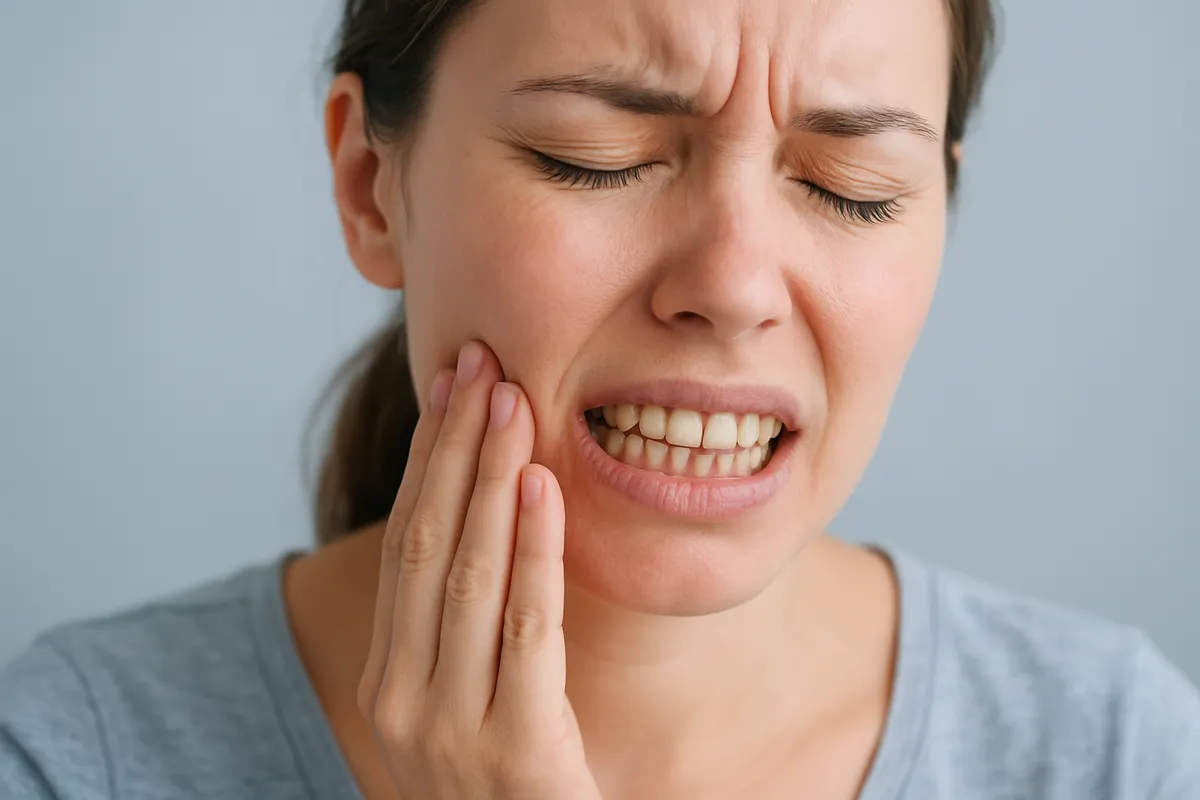
A dentist confirms bruxism through a visual exam, X-rays, and bite analysis, and can usually spot teeth grinding damage before you feel any pain.
During the visual examination, your dentist looks for specific physical markers. The clearest signs are wear facets, flat, shiny spots that appear on tooth cusps where enamel has been ground away, along with hairline fracture lines in the enamel and gum recession patterns caused by the repetitive clenching forces pressing down on the roots.
Distinguishing bruxism wear from acid erosion or normal aging matters because the treatment path differs. Acid erosion tends to create smooth, dish-shaped depressions across broad surfaces, while bruxism produces sharp, localized flattening on opposing contact points. Normal aging creates gradual, even wear; bruxism wear is often asymmetrical and concentrated on specific teeth.
Supplementary tools sharpen the diagnosis. Dental X-rays reveal bone loss and root stress that aren’t visible on the surface. A bite analysis identifies where force distributes unevenly across your teeth. When sleep apnea is suspected as a driver [2], your dentist may refer you for a sleep study, the two conditions frequently co-occur. The Cleveland Clinic’s overview of bruxism outlines how these diagnostic steps work together to build a complete picture of the condition.
When to see a dentist about teeth grinding symptoms
Don’t wait for tooth pain to book an appointment. Jaw soreness on waking, a partner reporting grinding sounds at night, or a dentist noting wear at a routine checkup are all sufficient reasons to act. At Villagio Family & Cosmetic Dental, a routine exam is often where early bruxism is caught, before damage reaches the point of needing crowns or other restorative work.
Treatment Options for Teeth Grinding Damage
Treating teeth grinding damage ranges from a custom night guard to full restorative dentistry, depending on how far the damage has progressed.
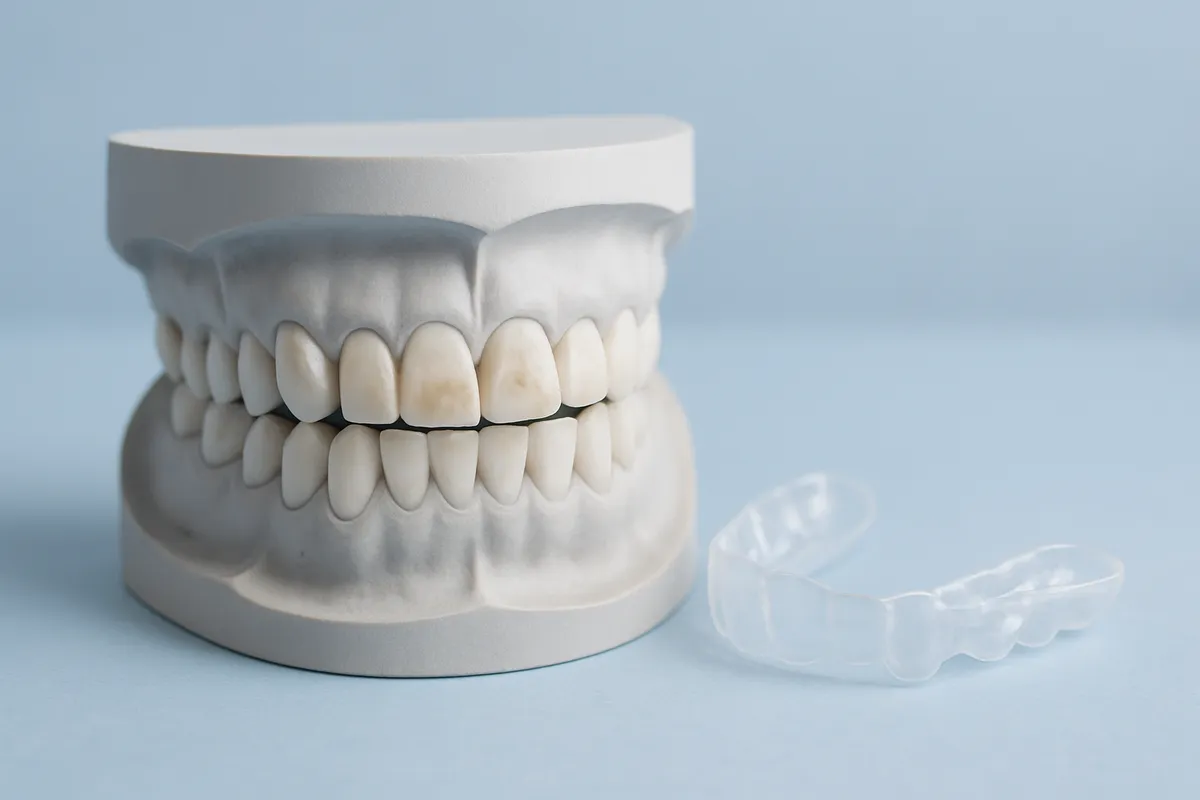
A custom occlusal splint, fitted by a dentist to your exact bite, is the most common first-line defense. It works by spreading bite forces across a broader surface area, reducing the pressure concentrated on any single tooth or restoration. Over-the-counter guards from a pharmacy can’t replicate this: they lack the precise fit needed for effective force distribution and wear out faster under heavy grinding pressure. A well-made custom splint protects both natural enamel and existing restorations such as veneers and crowns.
When damage has already occurred, the repair approach depends on its severity. Dental bonding addresses minor chips and surface wear. A fractured or heavily worn tooth typically needs a crown. If an implant or existing crown has cracked under grinding forces, replacement becomes necessary, a process that is considerably more involved and more expensive than the original placement.
Beyond Mouth Guards: Other Ways to Reduce Grinding Damage
Protective appliances manage the consequences of bruxism; behavioral and adjunct treatments target the grinding itself. Stress management techniques, including cognitive behavioral therapy and relaxation exercises, reduce the psychological tension that drives clenching during waking hours [2]. Biofeedback therapy trains patients to recognize and consciously release jaw muscle tension. For severe cases, muscle relaxant injections into the masseter muscles reduce the force those muscles can generate, directly lowering the pressure applied to teeth.
The financial case for early intervention is straightforward. A custom night guard is a budget-friendly measure compared to replacing a cracked crown, a fractured implant, or rebuilding a dentition worn down over years. At Villagio Family & Cosmetic Dental, we assess the stage of damage first, then match the treatment to what’s actually needed.
No single treatment eliminates bruxism entirely [2]. The goal is damage control and symptom management, which is why regular dental monitoring remains part of any long-term plan. Catching new wear early keeps the treatment options simpler and less costly.
How to Prevent Teeth Grinding and Protect Your Teeth Long-Term
Preventing bruxism damage combines dietary changes, daily behavioral habits, and regular dental monitoring, none of which requires waiting until pain appears.
Dietary and lifestyle changes that reduce grinding
Caffeine and alcohol are two of the most direct dietary triggers for teeth grinding damage. Both increase muscle activity and disrupt sleep architecture [2], which means an evening coffee or a glass of wine before bed can intensify nocturnal clenching without you realizing it. For a broader look at how everyday habits connect to grinding, Delta Dental’s guide on teeth grinding offers practical, patient-friendly context.
Hard foods, ice, raw carrots, tough bread crusts, place additional stress on enamel that is already worn thin. Avoiding them reduces the cumulative load on teeth that are grinding-compromised. Staying well hydrated through the day also matters: dehydrated jaw muscles fatigue more quickly and are more prone to spasm.
Behavioral strategies work alongside dietary changes. A consistent wind-down routine before sleep, dimming lights, avoiding screens, light stretching, helps reduce the stress response that triggers nighttime clenching [1]. During waking hours, daytime awareness is equally useful: consciously checking whether your teeth are touching when your mouth is at rest, and practicing jaw relaxation exercises (such as placing the tongue gently on the roof of the mouth to separate the teeth), can interrupt the clenching habit before it becomes automatic.
Long-term outcomes of untreated bruxism
Left unmanaged, bruxism follows a predictable path: progressive tooth shortening, temporomandibular joint (TMJ) disorder, and chronic headaches [1]. In severe cases, patients eventually require full-mouth reconstruction, a far more involved and costly outcome than early intervention would have produced.
Regular dental checkups are the most reliable early-detection mechanism available. A dentist can identify wear patterns on enamel before you feel any pain, which is the point at which treatment remains straightforward. At Villagio Family & Cosmetic Dental, that kind of proactive monitoring is built into routine care.
Patients who have already invested in veneers, implants, or crowns have a direct reason to manage bruxism actively, grinding can fracture or dislodge restorations that took significant time and expense to place. Protecting those investments starts with the same steps above, and with telling your dentist if you suspect you grind at night.
Frequently Asked Questions
Can teeth grinding damage be reversed?
Some damage can be repaired, but enamel lost to grinding does not grow back on its own. Minor wear can be addressed with bonding, veneers, or crowns depending on how much tooth structure remains. Caught early, a dentist can restore both function and appearance before the damage reaches the pulp or roots. Left untreated for years, the structural loss becomes more complex and costly to correct, which is why early diagnosis matters.
Is teeth grinding always caused by stress?
No, stress is a common trigger, but not the only one [2]. Sleep disorders such as sleep apnea, certain antidepressants and stimulant medications, and misaligned teeth can all drive grinding independently of stress levels [1]. Some children grind during developmental stages and stop without intervention. A dental exam helps identify which factor is most likely driving the habit in your specific case.
How do I know if I grind my teeth at night if I sleep alone?
Several physical signs point to nighttime grinding even without a witness. Wake up with a sore jaw, dull headache near the temples, or tooth sensitivity that wasn’t there before, those are reliable indicators [1]. A dentist can spot the flat, worn edges and micro-fractures that grinding leaves on enamel during a routine exam, often before you notice any symptoms yourself.
Will a night guard fix the damage already done by grinding?
A night guard prevents further damage but does not repair what has already occurred [1]. Think of it as a protective barrier, it absorbs the grinding force so your teeth don’t have to. Existing chips, worn enamel, or cracked teeth still need restorative treatment such as bonding or crowns. The guard and the restorations work together: one stops the problem, the other corrects it.
Can children experience teeth grinding damage?
Yes, children can and do grind their teeth, particularly during sleep. Grinding in children often occurs during developmental stages as baby teeth or permanent teeth emerge, and many children outgrow it without intervention. However, persistent or forceful grinding can still wear down primary teeth and affect jaw development. If a child wakes with jaw soreness or a parent notices grinding sounds at night, a pediatric dental evaluation is worthwhile to rule out underlying causes.
Conclusion
Teeth grinding is a slow, cumulative process, the damage rarely announces itself until enamel is already thin, teeth are cracking, or jaw pain becomes hard to ignore. Three things matter most: getting a professional diagnosis before wear becomes structural, pairing a custom night guard with any restorative work your dentist recommends, and addressing the underlying trigger, whether that’s stress, sleep apnea, or medication. At Villagio Family & Cosmetic Dental, we examine for grinding wear at every checkup, so if you’re in Katy, Fulshear, or Cinco Ranch and suspect you grind, schedule a routine exam and ask us to assess your enamel wear specifically.
Sources & References
- Bruxism (Teeth Grinding): Symptoms, Causes & Treatment
- Bruxism | National Institute of Dental & Craniofacial Research
- What you should know about teeth grinding | DDNC Blog
Recommended Articles
Explore more from our content library: