Proudly Serving Katy, Richmond & Fulshear Cinco Ranch
(281) 395-2100
|
(281) 394-4001

Understanding how to fix chipped tooth is essential. Knowing how to fix a chipped tooth is more important than most people realize. To fix a chipped tooth, your dentist will choose from several proven methods: dental bonding for minor chips, veneers for cosmetic damage, or a crown for significant structural loss. The right fix depends on how much tooth structure remains and whether the pulp is affected. Until your appointment, rinse with warm salt water, cover any sharp edge with dental wax, and avoid biting on that side.

How to Fix a Chipped Tooth: Severity Determines Your Options: how to fix chipped tooth
The severity of the chip — enamel-only, dentin-level, or pulp-involved — is the single factor that determines which repair your dentist will recommend. Understanding how to fix a chipped tooth starts with understanding exactly how deep the damage goes. This is particularly relevant for how to fix chipped tooth.
What Are the Different Types of Chipped Teeth?
Dentists classify chips into three tiers based on how deep the damage reaches [3]. A minor enamel chip is purely cosmetic: the hard outer layer is nicked, but the tooth’s structure and nerve remain protected. A moderate chip that reaches the dentin, the softer layer beneath enamel, introduces sensitivity to temperature and pressure, because dentin contains microscopic tubules that connect to the nerve. A severe chip that exposes or closely approaches the pulp (the nerve and blood vessel chamber) carries a real risk of infection and typically requires more involved treatment before any cosmetic repair can begin [1].
Common causes include biting hard foods like ice or hard candy, facial trauma from a fall or sports impact, and acid erosion that weakens enamel over time [1]. Teeth with large existing fillings are also at higher risk — the filling material doesn’t flex the same way natural tooth structure does, leaving the remaining tooth walls more brittle.
What makes knowing how to fix a chipped tooth more complicated is that the visible chip rarely tells the whole story. A hairline crack can extend below the gumline without being obvious to the naked eye. That hidden extension changes the treatment plan entirely, which is why a clinical exam — and sometimes an X-ray — is essential before any repair begins [3].
What Are the Long-Term Complications If a Chipped Tooth Is Left Untreated?
Leaving a chipped tooth alone is rarely a neutral choice. Exposed dentin allows bacteria to infiltrate the tooth, accelerating decay in a layer that has no enamel protection. Chewing pressure on a jagged edge can propagate a fracture deeper into the tooth over weeks or months [1]. If bacteria reach the pulp, the result is often an abscess — a painful infection that may require a root canal or, in advanced cases, extraction. A tooth that could have been saved with a simple bonding procedure can become a candidate for removal if ignored long enough.
At Villagio Family & Cosmetic Dental, the clinical exam is designed to catch exactly this kind of hidden progression, identifying not just the visible chip but any underlying crack or decay that would affect the repair plan before treatment begins. When considering how to fix chipped tooth, this point stands out.
Assess Whether Your Chipped Tooth Needs Emergency Care or Can Wait
A chipped tooth with severe pain, bleeding, or swelling needs same-day dental care; a small painless chip with no sharp edges can safely wait for a scheduled visit. When considering how to fix a chipped tooth, recognizing the difference between an emergency and a routine repair is a critical first step.
How Do You Know If a Chipped Tooth Is a Dental Emergency?
Go to a dentist the same day if you experience any of the following: uncontrolled bleeding, throbbing or severe pain, visible pinkish-red tissue at the center of the tooth (a sign of pulp exposure), a tooth knocked completely out of its socket, or facial swelling near the jaw [1]. These signs indicate the tooth’s inner nerve or surrounding tissue is at risk, and waiting even 24 hours can make treatment more complex and less predictable.
A small cosmetic chip — one with no pain, no temperature sensitivity, and no sharp edge cutting your tongue or cheek — can typically wait for a regular appointment without the tooth deteriorating rapidly [3]. If you’re unsure, call your dental office and describe your symptoms; most practices can triage over the phone.
What Are the Best Temporary DIY Fixes You Can Do at Home?
While you arrange how to fix a chipped tooth professionally, three specific home measures reduce risk. First, press a small piece of dental wax or sugar-free gum over any sharp edge to protect your tongue and cheek from cuts. Second, apply an over-the-counter dental cement — products like Dentemp are sold at most pharmacies — directly over exposed dentin to reduce sensitivity and block bacteria from reaching the inner tooth. Third, rinse with a warm salt-water solution (half a teaspoon of salt dissolved in eight ounces of warm water) two to three times daily to lower bacterial load around the damaged area.
Avoid three common mistakes that worsen the injury. Superglue bonds to soft tissue and can trap bacteria inside the tooth, making professional repair harder. Filing the chip with a nail file removes healthy enamel and creates uneven stress points that deepen the crack. Taking painkillers to mask pain while skipping care is equally harmful — pain is the tooth’s signal that the pulp or nerve is involved, and ignoring it allows infection to advance silently. For those exploring how to fix chipped tooth, this matters.
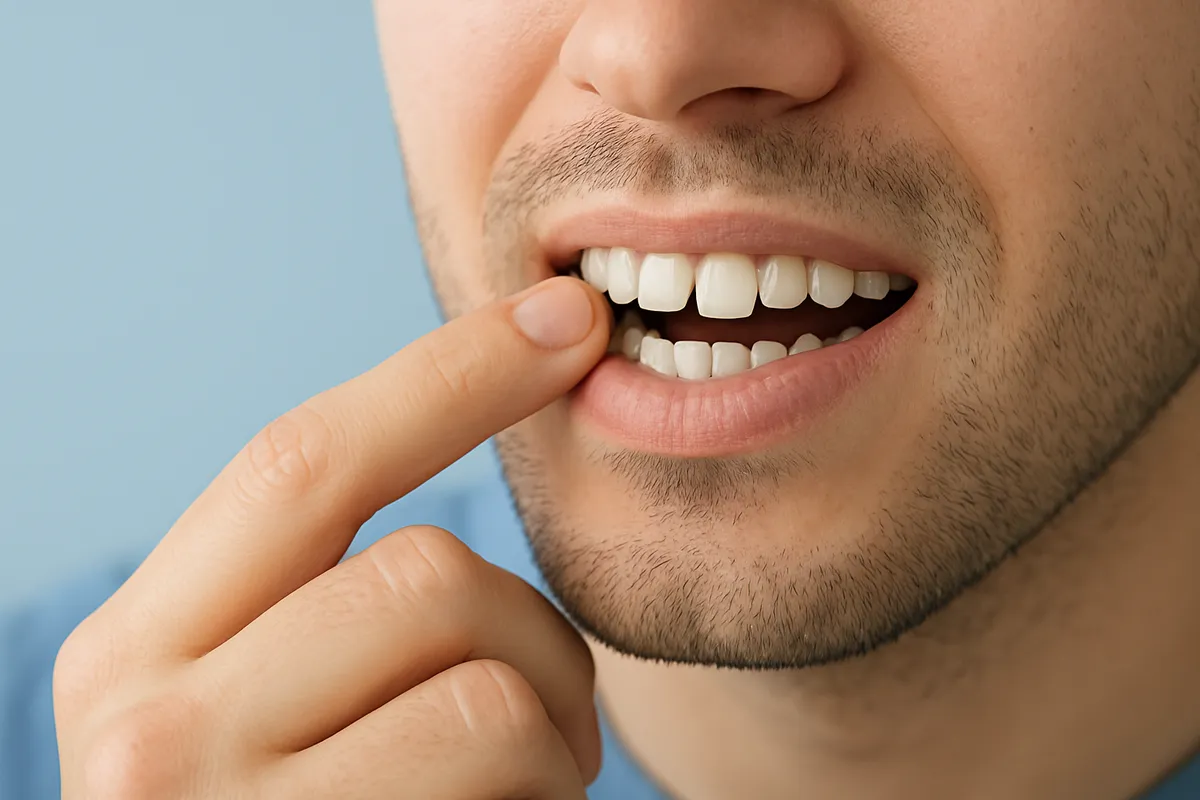
Choose the Right Chipped Tooth Repair Method for Your Situation
The right repair depends on how much tooth structure is lost: bonding suits minor chips, veneers address cosmetic damage, and crowns restore severely broken teeth.
How Do Bonding, Veneers, and Crowns Compare in Durability and Recovery?
Dental bonding requires no recovery time and can be completed in a single appointment, making it the least invasive way to fix a chipped tooth. The trade-off is durability — composite resin is more susceptible to chipping and staining under years of bite pressure than porcelain alternatives. For those exploring how to fix a chipped tooth, understanding this durability spectrum helps set realistic expectations for each option.
Porcelain veneers and crowns both outperform bonding in long-term durability. Veneers are bonded to the front surface of the tooth after a light enamel reduction, while crowns encase the entire visible tooth and distribute bite force across the full structure, making crowns the best option for severe chips where structural integrity is at stake.
Neither veneers nor crowns require significant downtime, but both involve at least two visits and permanent changes to tooth structure. That irreversibility is the core trade-off patients weigh against the aesthetic and durability gains.
What Is the Step-by-Step Process for Each Chipped Tooth Repair Method?
Dental bonding is the entry point for minor-to-moderate chips, particularly on front teeth [3]. The process at Villagio Family & Cosmetic Dental follows a clear sequence: This directly impacts how to fix chipped tooth outcomes.
- The dentist lightly etches the tooth surface to help the resin adhere.
- A composite resin matched to your natural tooth color is applied and sculpted to shape.
- A UV curing light hardens the resin in place.
- The dentist polishes the bonded area so it blends with surrounding teeth.
Porcelain veneers suit cosmetic chips where the underlying tooth structure is sound [2]. The process spans two visits:
- A thin layer of enamel is removed from the tooth’s front surface — this step is permanent.
- Impressions are sent to a dental lab, and a temporary veneer is placed.
- At the second visit, the custom porcelain veneer is bonded to the tooth.
Dental crowns are indicated when a large portion of the tooth is missing or the remaining structure cannot support a veneer or bonding [3]. The crown encases the entire visible tooth above the gumline.
Root canal as a prerequisite: if the chip has exposed or infected the pulp — the nerve-containing interior of the tooth — the nerve must be treated before any crown or restorative cap is placed [1]. Skipping this step leaves infection sealed beneath the restoration, which causes failure. Your dentist will recommend this sequence, not as a complication, but as the correct clinical order. This directly impacts how to fix a chipped tooth outcomes and long-term success.
Avoid Common Mistakes That Make a Chipped Tooth Worse
The most damaging errors happen between the moment a tooth chips and the dental chair, and most are avoidable with the right information.
Waiting Because There’s No Pain
A painless chip does not mean a structurally sound tooth. A fracture line can propagate toward the root without producing any sensation, because enamel itself contains no nerve endings [1]. What a dentist could fix with bonding in a single visit may become a crown case — or worse, a root canal case — within weeks if left unaddressed. Book an appointment within 24 to 48 hours regardless of how the tooth feels. This is particularly relevant for how to fix chipped tooth.
Continuing to Chew on the Damaged Side
Biting on a chipped tooth concentrates force on a structurally weakened point. That pressure accelerates crack propagation deeper into the dentin and toward the pulp. Until you address how to fix a chipped tooth through professional treatment, stick to soft foods and chew exclusively on the opposite side.
Assuming Insurance Won’t Help
Many dental plans distinguish between functional repair — restoring a tooth’s structural integrity — and purely cosmetic work. Bonding or a crown placed to prevent further damage often qualifies for partial coverage, while a veneer placed solely for appearance may not [3]. Check your specific plan before assuming the full cost falls on you.
Stopping at a Temporary Fix
Over-the-counter dental cement covers a sharp edge; it does not seal the tooth. Exposed dentin remains porous, and bacteria can penetrate it even when the surface looks patched. A temporary fix buys time — it does not replace a professional restoration from a practice like Villagio Family & Cosmetic Dental, where the underlying tooth structure is properly evaluated and sealed.
Prevent Future Chips With Daily Habits and Protective Measures
Avoiding a chipped tooth comes down to reducing two forces: mechanical stress on enamel and chemical erosion that weakens it before stress is even applied. The same awareness that helps you understand how to fix a chipped tooth also informs the habits that prevent one from happening again.
What Daily Habits and Protective Measures Reduce Your Risk of Chipping a Tooth?
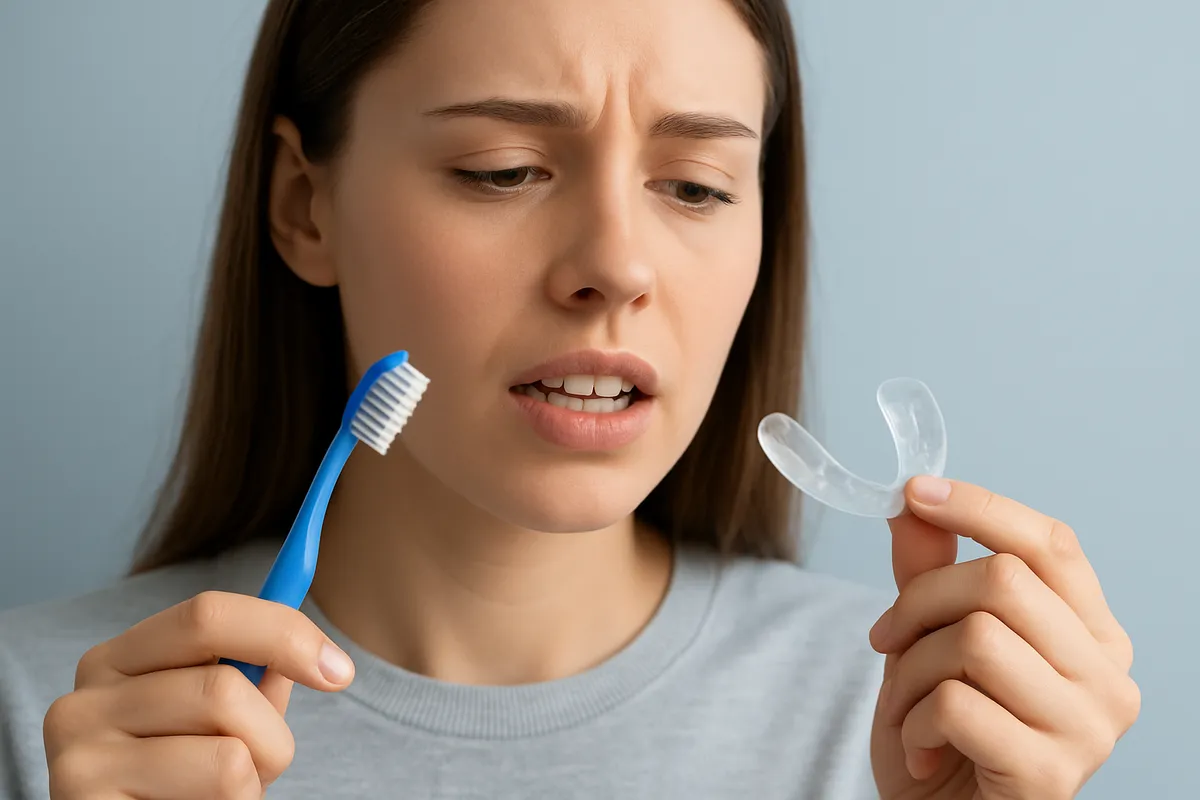
If you grind your teeth at night, the repeated lateral force concentrates on the same enamel surfaces with every sleep cycle. Over time, that load creates micro-fractures invisible to the naked eye — until a bite on something firm finishes the job. A custom night guard, fitted by a dentist, redistributes that force across a broader surface area rather than letting it concentrate on individual teeth. When considering how to fix chipped tooth, this point stands out.
Sports mouthguards follow a similar logic, but fit quality determines how much protection you actually get. Stock guards are loose and uncomfortable enough that many people stop wearing them. Boil-and-bite versions improve on that, but a custom-fitted guard — made from an impression of your teeth — stays in place under impact and provides consistent coverage across the whole arch.
Dietary habits matter more than most people realize. Frequent acidic beverage consumption — sodas, sports drinks, citrus juices — softens enamel chemically before any mechanical stress arrives. Softened enamel chips far more easily under normal biting forces. Cutting back on acidic drinks, and rinsing with water afterward when you do consume them, preserves that protective hardness.
Stop using your teeth as tools. Opening packaging, biting nails, and chewing ice all apply off-axis force your enamel was not designed to handle. Ice is particularly damaging: its hardness combined with the temperature contrast it creates causes rapid micro-expansion and contraction in the tooth structure, accelerating crack formation.
Regular checkups at Villagio Family & Cosmetic Dental give a dentist the chance to spot weakened enamel, failing old fillings, or developing cracks before they become the kind of chip that sends you searching for how to fix a chipped tooth. Prevention is an ongoing clinical partnership, not just a list of foods to avoid at home.
Frequently Asked Questions
Can a chipped tooth heal on its own?
No, tooth enamel cannot regenerate, so a chipped tooth will not heal without dental treatment [1]. Even a small chip leaves a rough edge that can collect bacteria, irritate soft tissue, and worsen over time. The only way to restore the tooth’s shape and protect it from further damage is through a professional repair such as bonding, a veneer, or a crown, depending on how much enamel was lost. For those exploring how to fix chipped tooth, this matters.
Does fixing a chipped tooth hurt?
Most chipped tooth repairs cause little to no discomfort. Dental bonding typically requires no anesthesia for minor chips [3]. Crown and veneer placements involve light numbing of the area, so you feel pressure but not pain during the procedure. Any mild soreness afterward usually resolves within a day or two.
What do dental insurance plans typically cover for chipped tooth repairs?
Coverage depends on whether the repair is classified as restorative or cosmetic. Insurance plans generally cover treatments deemed medically necessary, such as a crown on a badly fractured tooth, but may exclude purely cosmetic procedures like veneers [3]. Dental bonding falls in a gray area: if the chip affects function or causes pain, many plans cover a portion. Always confirm your specific benefits before scheduling treatment.
How long does a dental bonding repair last on a chipped tooth?
Dental bonding on a chipped tooth typically lasts between 3 and 10 years before it needs touching up or replacement [3]. Longevity depends on the location of the chip, your bite, and daily habits. Avoiding biting hard objects — ice, pen caps, fingernails — and keeping up with regular dental checkups at a practice like Villagio Family & Cosmetic Dental helps bonding last toward the longer end of that range.
Is it safe to wait a few days before seeing a dentist for a chipped tooth?
For a small, painless chip with no sharp edges, waiting a few days for a scheduled appointment is generally acceptable. However, if you notice any pain, temperature sensitivity, swelling, or visible damage near the center of the tooth, you should seek same-day care. In the meantime, use dental wax to cover sharp edges and avoid chewing on that side. The sooner you address how to fix a chipped tooth professionally, the more treatment options remain available to you.
Conclusion
A chipped tooth rarely stays minor on its own — enamel doesn’t grow back, and a small break can become a bigger structural problem if left untreated. The repair that’s right for you depends on the chip’s size and location: bonding handles minor chips in a single visit, while a crown or veneer is the better call when more tooth structure is involved [1][3].
Two things matter most after a chip: protect the tooth immediately with dental wax and a soft diet, then get a professional assessment as soon as possible. If you’re in the Katy, TX area, call Villagio Family & Cosmetic Dental to schedule an evaluation — bring a photo of the chip if you still have it, so your dentist can assess the full extent of the break before your appointment.
Sources & References
- Chipped Tooth: Causes, Symptoms & Repair
- Options for Repairing a Chipped Tooth
- Chipped Tooth Repair: Options & Costs Explained | Aspen Dental
Recommended Articles
Explore more from our content library: