Proudly Serving Katy, Richmond & Fulshear Cinco Ranch
(281) 395-2100
|
(281) 394-4001

Understanding dental cleaning price is essential. A professional dental cleaning without insurance typically falls into a budget-friendly to mid-range tier for a standard cleaning, with deep cleaning (scaling and root planing) landing higher due to the extra time and technique involved. The exact amount depends on the type of cleaning you need, your dentist’s experience level, and where the practice is located. Patients who don’t have coverage often reduce costs through payment plans, dental school clinics, or community health centers rather than paying full retail out of pocket.
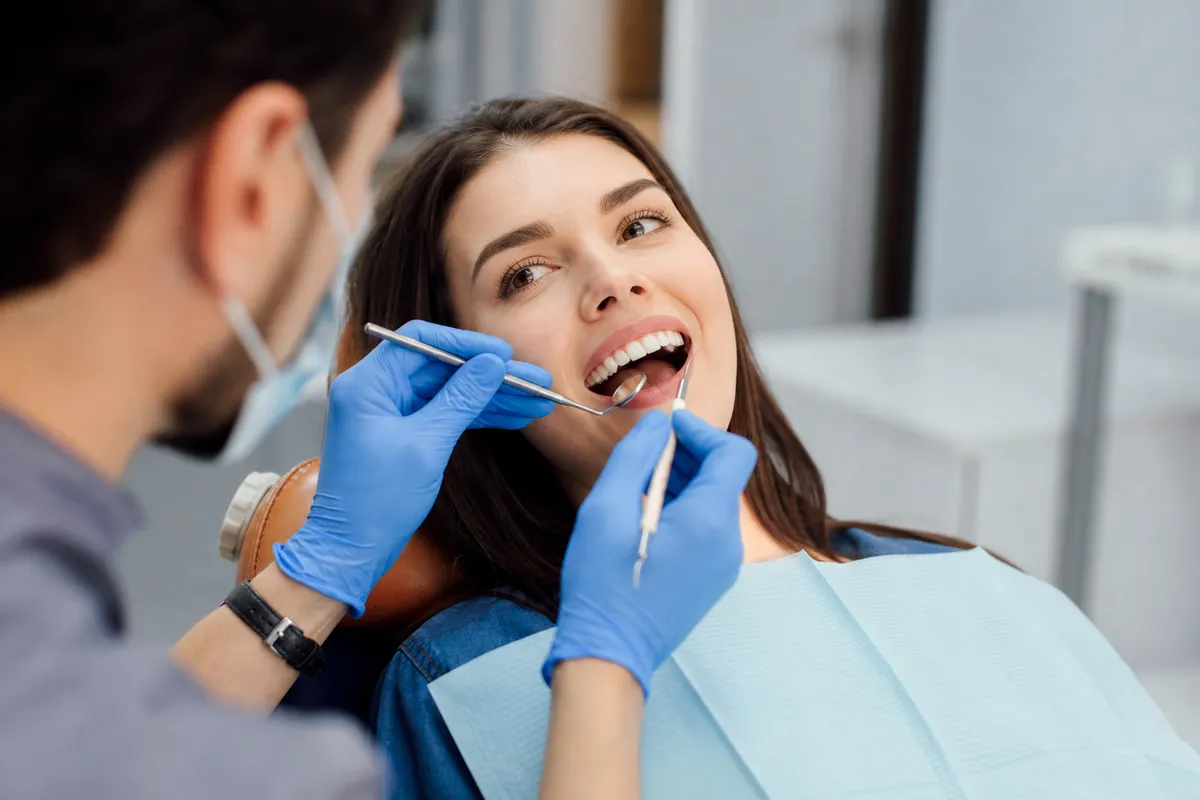
How Much Does a Dental Cleaning Cost Without Insurance?: dental cleaning price
A standard prophylaxis cleaning sits at the budget-friendly end of the dental cleaning price range, while deep cleaning or added diagnostics push the total higher.
What is the average cost of a teeth cleaning at a typical dental practice?
Most practices treat a routine cleaning as one of the simplest procedures on the fee schedule, which is why it anchors the low end of what patients pay out of pocket. A prophylaxis, the technical term for removing plaque and tartar buildup and polishing the teeth, doesn’t require anesthesia, doesn’t involve cutting or numbing tissue, and almost never needs more than one visit to complete. That single-appointment simplicity is what keeps the price down compared to procedures like fillings, crowns, or scaling and root planing for gum disease.
Out-of-pocket pricing means something specific: it’s the full retail rate a practice charges when there’s no insurer negotiating a lower, contracted rate on your behalf. Insurance companies pre-negotiate discounted fees with in-network dentists, so a self-pay patient walking in without coverage is looking at the sticker price, not the discounted one. That gap explains why two people can report very different numbers for what feels like the same appointment. Resources like this overview of teeth cleaning costs in Cincinnati illustrate how much regional pricing can shift even for the same basic procedure.
How much should I expect to pay for a standard prophylaxis cleaning?
Expect the cleaning itself to land in a lower tier, but don’t assume that’s your entire visit cost. Practices commonly bill the exam and any needed X-rays as separate line items from the cleaning, so a first-time patient’s total bill can run noticeably higher than the cleaning fee alone suggests [2]. That’s standard practice structure, not a hidden fee, but it catches new patients off guard when they were quoted just the cleaning price.
One way to bring the total down: ask about bundled new-patient offers that combine the exam and cleaning into one package rate. Many practices, including Villagio Family & Cosmetic Dental, structure new-patient specials this way specifically because self-pay patients are comparing total visit cost, not just the cleaning line item.
What Factors Affect the Price of a Dental Cleaning?
A dental cleaning price shifts based on where you live, who’s holding the instruments, how the clinic is run, and what’s actually going on in your mouth that day. Common factors include:
- Local cost of living, including rent and staff wages in the practice’s area
- The dentist’s credentials, specialty training, and years of experience
- Whether the office is a solo practice, a group practice, or a corporate chain
- The condition of your teeth and gums on the day of the appointment
- Whether X-rays, fluoride treatments, or gum measurements are added to the visit
- Whether the cleaning is routine prophylaxis or a more involved deep cleaning
Why do dental cleaning prices vary between practices and regions?
Rent, staff wages, and local competition set a floor under what any practice needs to charge just to keep the lights on. A dental office in a high-cost suburb pays more for square footage and hygienist salaries than one in a rural town, and that gap shows up on your bill. Families in Katy, Fulshear, Richmond, and Cinco Ranch often see pricing that reflects the broader Houston-metro market rather than a national average, which is one reason a quote from a practice in another state rarely lines up with what you’ll pay locally.
How do dentist credentials and clinic overhead impact cleaning costs?
A dentist with advanced training, specialist certifications, or years of focused experience often prices toward the premium tier, since that expertise carries real cost in continuing education and malpractice coverage. Overhead matters just as much: sterilization protocols, staff-to-patient ratios, and equipment like digital X-ray systems all require ongoing investment that gets built into the rate a practice sets. A solo office, a multi-dentist group practice, and a corporate dental chain each structure pricing differently, since staffing models and corporate overhead vary widely across those setups.
The condition of your mouth on cleaning day matters too. Heavy tartar buildup or inflamed gums can turn a routine cleaning into a longer procedure requiring extra billed time, since a hygienist can’t safely rush through calculus that’s hardened along the gumline. None of these factors are unusual, they’re the ordinary reasons two people can get “the same” cleaning at two different prices.
How Does a Deep Cleaning Cost Compare to a Regular Cleaning?
A deep cleaning costs more than a routine cleaning because it treats a disease process below the gumline, not just surface buildup, and it’s billed by mouth section rather than as one flat visit.
What is the cost difference between prophylaxis and scaling/root planing?
Prophylaxis is preventive care for patients with healthy gums, it removes plaque and tartar above the gumline and takes one appointment. Scaling and root planing, the clinical name for deep cleaning, treats gum disease that has already let bacteria and calculus migrate below the gumline, attacking the bone and ligament holding teeth in place. That’s the real driver behind any dental cleaning price gap you’ll see quoted between the two: one is maintenance, the other is treatment for an active infection. For more information, see Marketing Manager.
Deep cleaning is typically billed per quadrant, the mouth divided into four sections, upper right, upper left, lower right, lower left, rather than as a single charge. A patient with disease in all four quadrants pays four separate procedure fees, which is why total cost can run well above a standard cleaning even before factoring in anesthesia. We’ve covered the procedure mechanics in more detail in our scaling and root planing explainer, which is worth reading if you want to understand what happens instrument by instrument.
How much does it cost to remove tartar and plaque buildup during a deep cleaning?
Cost climbs with the amount of buildup, the number of quadrants involved, and whether the visit requires local anesthesia to numb the gums for comfortable root access. Many patients need two or more appointments, treating half the mouth per visit, which adds chair time and cost compared to prophylaxis. For cases with heavy calculus that blocks the dentist from even completing an exam, there’s a third category called gross debridement, a preliminary cleaning that clears enough buildup to diagnose what’s underneath, priced separately from both prophylaxis and full scaling and root planing.
How Does Dental Insurance Coverage Change What You Pay?
Insurance lowers the dental cleaning price you pay at checkout because most plans classify routine cleanings as preventive care and cover them at a higher percentage than fillings, crowns, or root canals. Whether that discount actually reaches you depends on your deductible status, your annual maximum, and whether your provider is in-network. For a closer look at how coverage percentages typically break down for preventive care, see this Teeth Cleaning Cost guide from Cigna Healthcare.
How much is a teeth cleaning with insurance versus without insurance?
Plans that cover preventive care at 100% often let patients walk out having paid nothing for a standard cleaning, aside from the visit counting toward the plan’s annual maximum. Without insurance, the same visit is billed at the practice’s full rate, and the patient covers all of it out of pocket.
Two mechanics change that math even for insured patients. First, a deductible, the amount you pay before coverage kicks in, may apply if your plan doesn’t waive it for preventive services. Second, an annual maximum caps how much the insurer will pay in a plan year; once you hit it, any further cleanings that year are billed at the uninsured rate, regardless of your coverage percentage.
What are pre-authorization requirements and how do they affect my cleaning cost?
Pre-authorization is a written approval from the insurer confirming a procedure is covered before treatment happens. Insurers often require it for deep cleaning (scaling and root planing) because it involves more time, more tissue, and a higher claim amount than a routine cleaning. Skipping this step is a common reason claims get denied after the fact, leaving the patient responsible for the full bill and the treatment delayed while the paperwork gets sorted retroactively.
Network status matters too. Out-of-network practices can bill at rates your insurer doesn’t fully reimburse, widening the gap between what an insured and uninsured patient actually pays for the same procedure. For a fuller walkthrough of how deductibles, maximums, and network tiers interact across different plan types, see our dental insurance coverage guide.
What Options Exist for Affordable Dental Cleanings if You’re Uninsured?
Uninsured patients can lower a dental cleaning price through dental school clinics, community health centers, direct self-pay discounts, or new-patient promotions, often stacking more than one.
Can I negotiate dental cleaning prices or find discounted services?
You can ask, and many practices will work with you, but the negotiation has limits. A practice may offer a self-pay discount (since it skips the administrative cost of billing insurance), bundle the exam and cleaning into one flat fee, or enroll you in a membership-style savings plan that covers cleanings, exams, and X-rays for a set annual fee. What won’t happen: a practice discounting below what it actually costs them to pay a hygienist, sterilize equipment, and run the office. If a quote sounds too low to be sustainable, ask what’s excluded, X-rays, fluoride, or a deeper cleaning if you have gum disease are common add-ons that get left off a headline price.
The right way to ask is direct: “Do you offer a cash-pay discount or a dental savings plan?” Front desk staff hear this question often and can usually quote a self-pay rate on the spot, without you needing to justify why you lack coverage.
Are there dental schools or community health centers offering reduced-cost cleanings?
Yes, dental schools and community health centers are the two most reliable lower-cost paths for uninsured patients. Consider these options when comparing where to go:
- Dental school clinics, where students perform cleanings under a licensed instructor’s supervision, usually over longer appointments
- Community health centers and public health clinics offering sliding-scale fees tied to household income
- General dentistry practices running new-patient or seasonal exam-and-cleaning promotions
- Membership-style dental savings plans that bundle cleanings, exams, and X-rays for an annual fee
Dental schools run supervised clinics where students perform cleanings under a licensed instructor’s review; appointments run longer, sometimes two to three hours instead of thirty minutes, but the reduced price reflects that trade-off. Community health centers and public health clinics, meanwhile, often use a sliding-scale fee tied to household income, so a lower-income patient in Katy or Richmond may pay significantly less than the standard rate.
Beyond these, keep an eye out for new-patient or seasonal promotions. Many general dentistry practices, including ours at Villagio Family & Cosmetic Dental, offer new-patient exam-and-cleaning specials specifically to make it easier for self-pay families to get established care without waiting for a dental emergency to force the issue.
Frequently Asked Questions
Is a dental cleaning the same price at every visit?
No, cost can shift visit to visit based on your mouth’s condition that day. A checkup with X-rays, a fluoride treatment, or added gum measurements will change the total compared to a straightforward cleaning with no complications.
Does a cleaning cost more if it’s my first visit to a new dentist?
Usually yes, because a first visit typically includes a comprehensive exam and X-rays alongside the cleaning. Returning patients often need only a periodic exam and cleaning, which trims cost since the dentist already has baseline images and records on file.
How often do I need a professional cleaning, and does frequency affect total yearly cost?
Most patients need two cleanings per year, and that rhythm affects your annual total more than any single visit’s price. Sticking to twice-yearly visits catches plaque and early gum issues before they require deep cleaning or restorative work, which costs considerably more than routine maintenance.
Will my cost be different if I need a cleaning plus a cavity filling in the same visit?
Yes, a filling is billed as a separate procedure from the cleaning itself. The two services are priced independently, so your visit total reflects the cleaning fee plus the filling fee, which varies by size and location of the cavity.
Can a routine cleaning turn into a more expensive deep cleaning mid-appointment?
Rarely in the same sitting, but it can happen at the next visit if gum measurements show bone loss or heavy tartar below the gumline. Most practices, including Villagio Family & Cosmetic Dental, will stop and explain the recommendation before billing anything beyond the routine cleaning.
Conclusion
Your out-of-pocket cleaning cost depends less on the practice you choose and more on what your mouth needs that day: X-rays, gum health, and whether it’s a first visit all move the number. The most reliable way to keep costs predictable is sticking to twice-yearly visits, since early plaque and gum issues stay cheap to treat and expensive problems rarely develop between checkups. Before booking, ask the office for a written estimate that separates the exam, X-rays, and cleaning fee so nothing surprises you at checkout. It’s also worth asking whether the practice offers a self-pay discount or a dental savings plan, since these options can meaningfully change your total without requiring you to switch providers. Villagio Family & Cosmetic Dental provides that breakdown upfront for patients in Katy, Fulshear, Richmond, and Cinco Ranch, call ahead and request one before your appointment.
Sources & References
Recommended Articles
Explore more from our content library:
- A Practical Guide to Dental Crown Pricing and Cost Factors
- <a href="https://villagiofamilydental.com/blog/2026/09/07/how-to-prevent-cavities-through-simple-daily-habits/" title="How to Prevent Cavities Through Simple Daily Habits“>How to Prevent Cavities Through Simple Daily Habits
- 5 Pediatric Dentist Services Every Parent Should Know
- What Really Causes Bad Breath and How to Fix It for Good
- <a href="https://villagiofamilydental.com/blog/2026/09/04/6-popular-cosmetic-dentistry-services-worth-considering/" title="6 Popular Cosmetic Dentistry Services Worth Considering“>6 Popular Cosmetic Dentistry Services Worth Considering