Proudly Serving Katy, Richmond & Fulshear Cinco Ranch
(281) 395-2100
|
(281) 394-4001

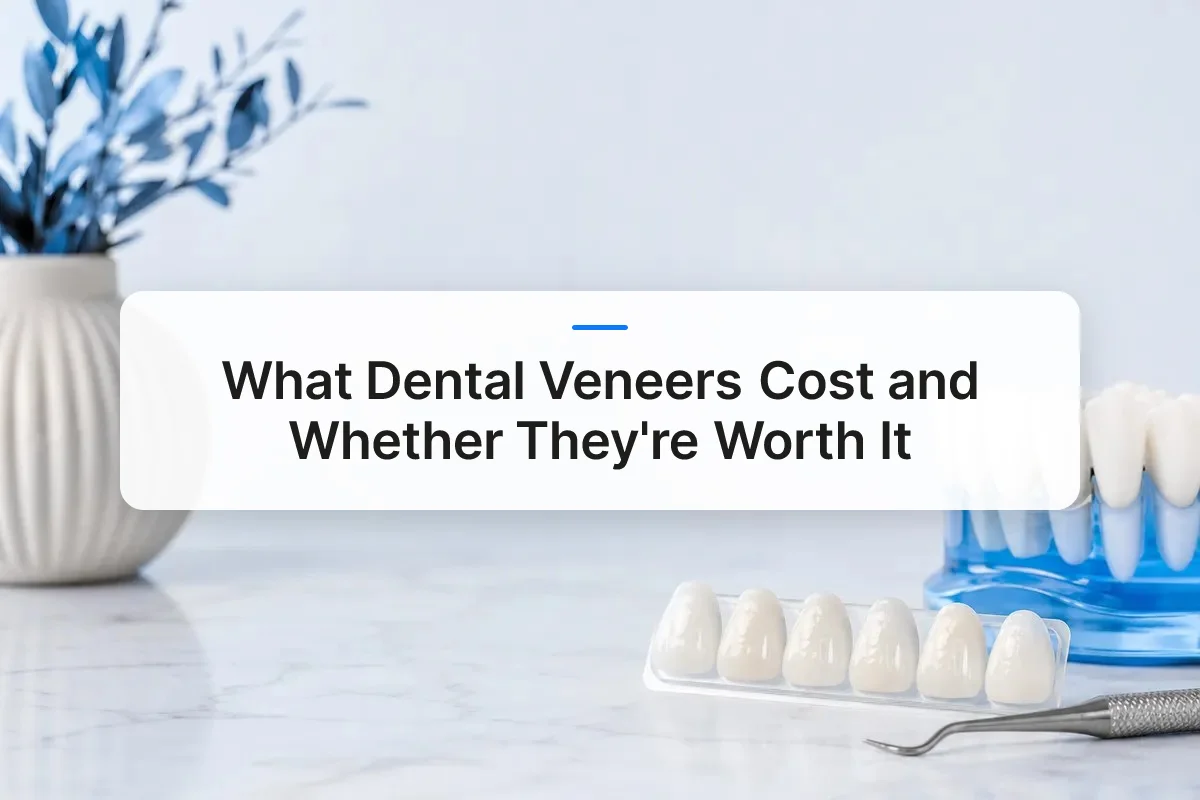
Understanding dental veneers cost is essential. Dental veneers typically fall into budget-friendly, mid-range, or premium price tiers depending on the material used, how many teeth are treated, and the complexity of your case. Composite veneers generally cost less than porcelain, and a full smile makeover costs more than treating one or two chipped teeth. Most patients find veneers worth the investment because they’re durable, stain-resistant, and correct multiple cosmetic issues at once—but the right choice depends on your goals, budget, and how long you want the results to last.
What Are Dental Veneers and How Do They Improve Your Smile?
A veneer is a thin shell of porcelain or composite resin bonded to the front of a tooth to change its shape, color, or alignment without braces. Understanding the two materials and what they can fix is the first step to making sense of dental veneers cost, because material choice drives most of the price difference you’ll see in a treatment plan.
Porcelain vs. Composite: Two Different Paths to the Same Goal
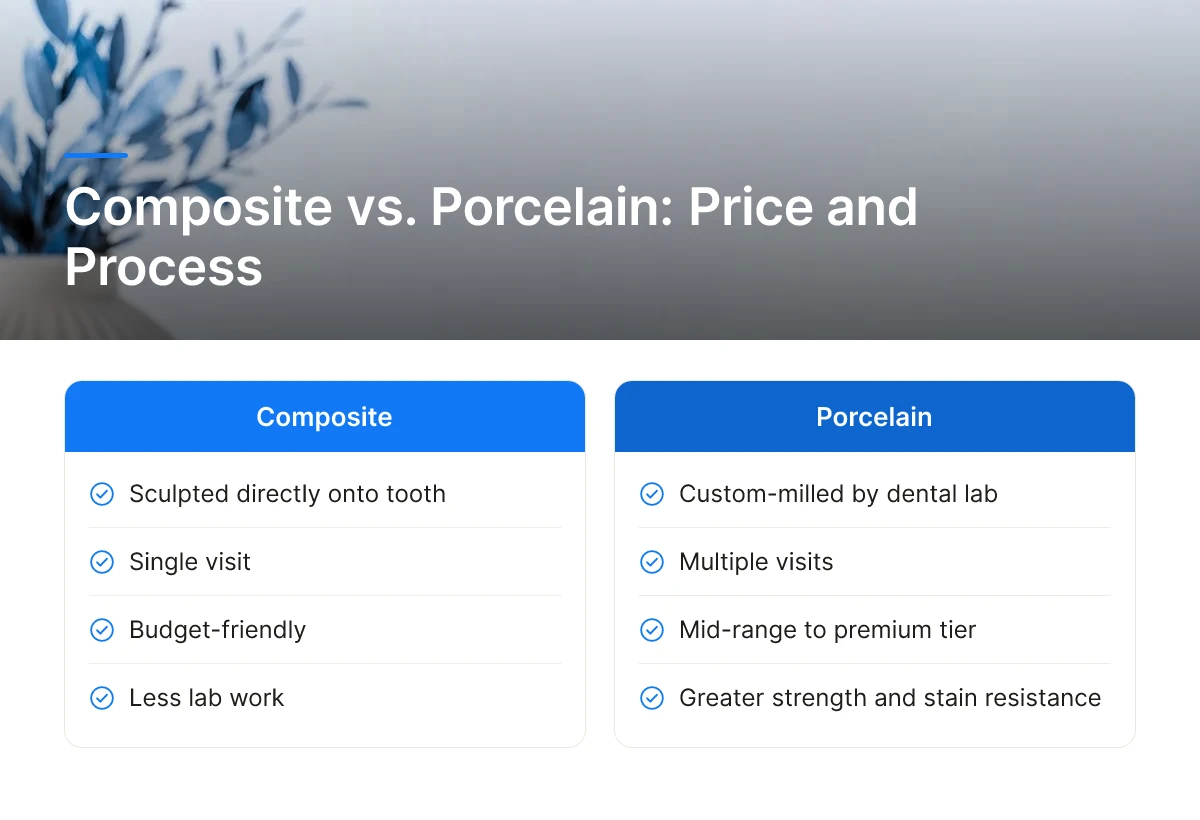
Porcelain veneers are custom-fabricated in a dental lab from thin ceramic shells that mimic the way natural enamel reflects light. They resist staining well and feel like natural teeth once bonded, which is why most patients pursuing a full smile makeover choose porcelain despite the higher upfront investment reflected in dental veneers cost.
Composite resin veneers are sculpted directly onto the tooth by the dentist in a single visit. They cost less than porcelain and require less enamel removal, but the material is more porous, meaning it can pick up stains from coffee, wine, or tea over time and doesn’t hold up as long under normal chewing forces.
What’s Included in a Full Set of Veneers Versus a Partial Set?
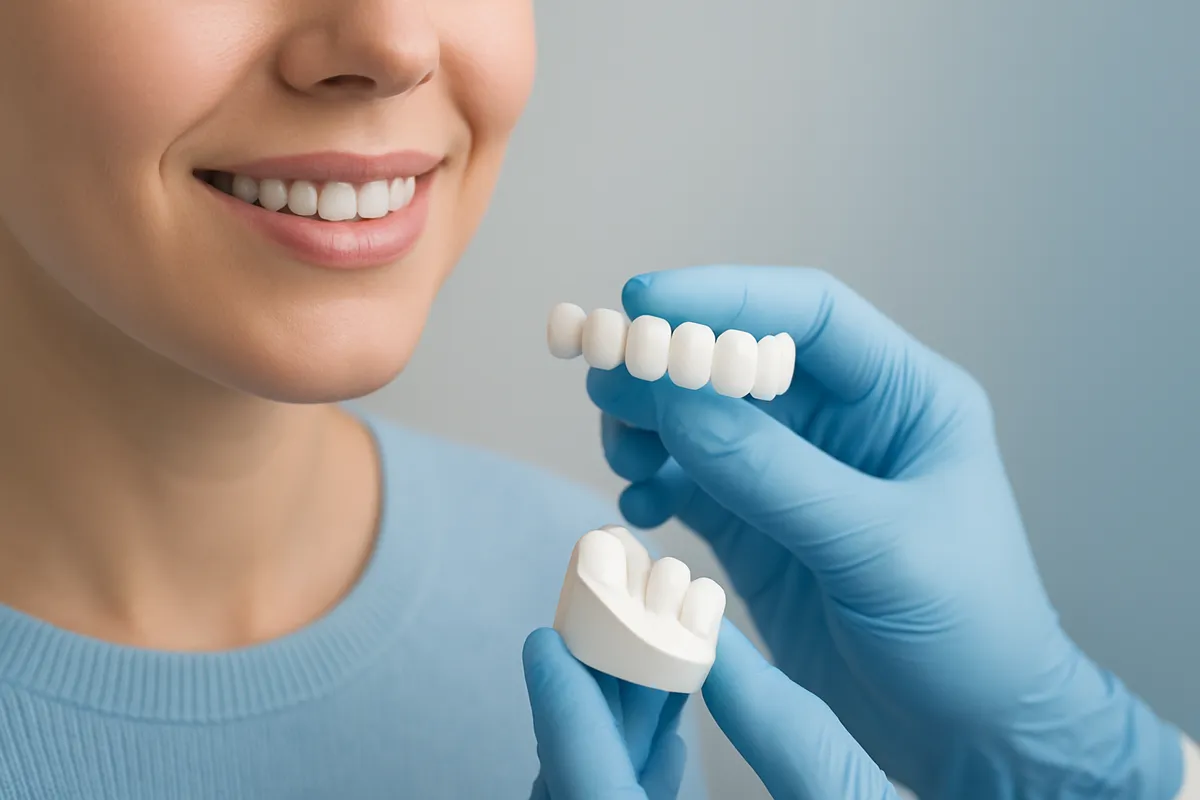
A full set covers all the teeth visible when you smile, usually the six to ten upper front teeth, while a partial set treats just one or two problem teeth, like a single chipped incisor. This distinction matters for parents in Katy and Fulshear budgeting for treatment, since a partial case for a teenager’s chipped tooth costs far less than a complete smile redesign for an adult preparing for a wedding or new job.
Veneers commonly correct several issues at once, which is part of why they factor so heavily into any conversation about dental veneers cost:
- Chips and minor fractures in the visible tooth surface
- Gaps between teeth that don’t require full orthodontic treatment
- Discoloration that hasn’t responded to professional whitening
- Minor misalignment that doesn’t warrant braces or clear aligners
- Enamel worn down from years of grinding
Because a thin shell simply sits over the existing tooth structure, veneers can solve several of these issues at once, something whitening or bonding alone typically can’t do.
How Long Do Dental Veneers Typically Last?
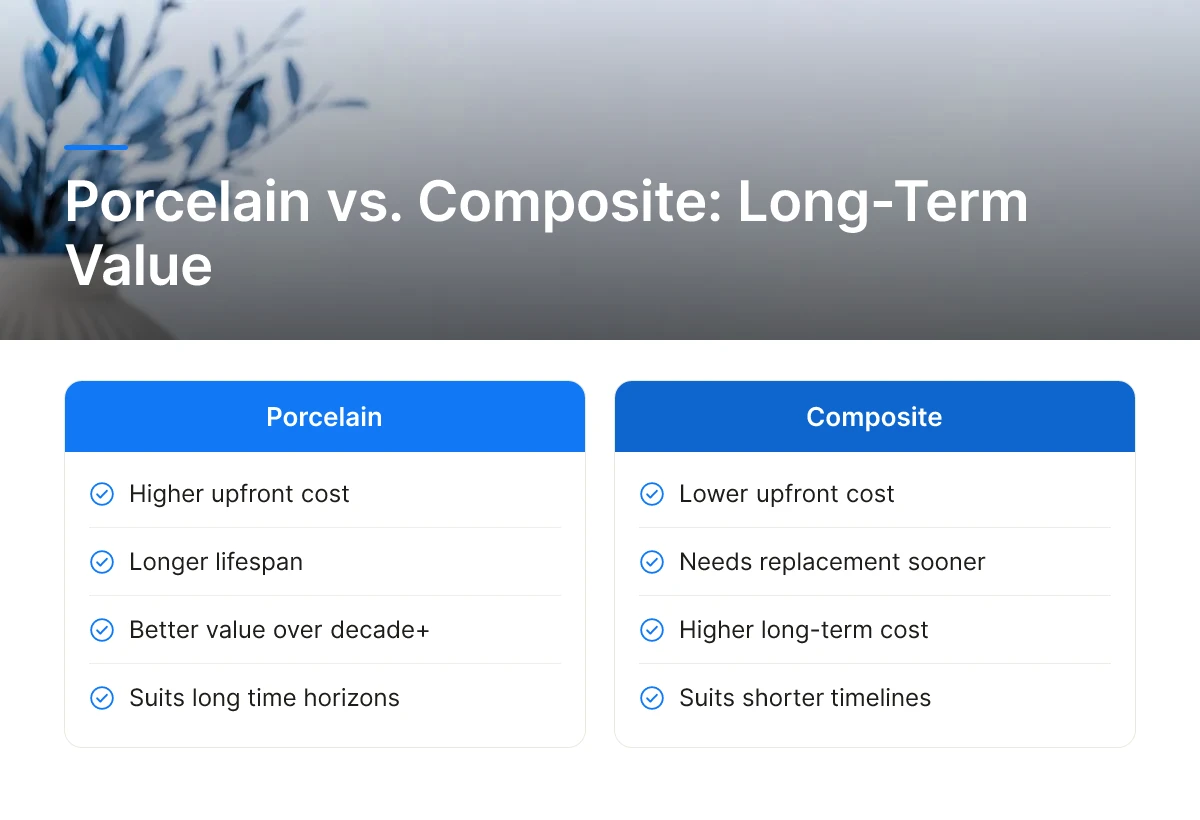
Porcelain veneers generally outlast composite by a wide margin, which is a key part of evaluating long-term value rather than just the number on the treatment estimate. Porcelain veneers can last 15 or more years with proper care and are often considered the choice for patients seeking a lasting result [1], while composite veneers usually need repair or replacement sooner because the resin wears and stains faster than ceramic.
At Villagio Family & Cosmetic Dental, our team walks Katy-area patients through both materials during the initial consultation, matching the choice to how many teeth need treatment and how long the patient wants the results to hold up before revisiting dental veneers cost again.
How Much Do Dental Veneers Cost at Villagio?
Dental veneers cost at Villagio depends mainly on three things: the material you choose, how many teeth you’re treating, and the complexity of your case. There’s no single sticker price that applies to every patient, and any practice that quotes you a flat number before an exam is skipping steps that matter.
Material is the first fork in the road. Composite veneers sit at the budget-friendly end, they’re bonded directly onto the tooth in a single visit and cost less because there’s no lab fabrication involved. Porcelain veneers sit in the mid-range to premium tier because they’re custom-milled by a dental lab from an impression or digital scan, which adds both material cost and lab turnaround time. Porcelain also tends to hold color better and last longer, which is part of why it commands a higher price than composite [4].
What’s the Realistic Price Range for a Full Mouth of Veneers?
Treating one chipped front tooth and rebuilding an entire smile aren’t the same financial decision, they sit in different investment tiers, not just different multiples of a per-tooth rate. A single veneer to fix a chip or discoloration is a contained, lower-cost procedure. A full smile makeover involving 6, 8, or 10 veneers moves into a higher tier because it involves more lab work, more chair time, and often more planning to make sure every tooth matches in shape, shade, and proportion.
Industry pricing data reflects this same pattern: full-mouth porcelain cases run substantially higher than single-tooth cases, and composite full-mouth work still costs less than a porcelain equivalent [4]. For a closer look at how full-set pricing is typically broken down, this guide to full set veneer costs outlines the variables that push a case into a higher tier. The exact tier your case falls into depends on how many teeth you want treated and what condition those teeth are in going into treatment.
What’s Included in Our Quoted Veneer Prices—Lab Fees, Consultation, Adjustments?
A Villagio quote isn’t just a per-tooth number, it’s built to cover the full arc of treatment. That includes your initial consultation, a digital smile preview so you can see the planned result before any tooth is touched, lab fabrication of your custom veneers, and the fitting appointment where they’re bonded into place.
Bite checks and minor adjustments after placement are typically part of that same treatment plan, discussed upfront at consultation rather than added as a surprise line item later. Because every patient’s tooth structure, alignment, and cosmetic goals differ, the only way to get an accurate number is a written quote after an in-person exam, anything quoted sight-unseen is a rough estimate at best.
What Factors Affect the Final Price of Your Veneer Treatment?
Understanding each of the following variables turns dental veneers cost from a single number into a set of choices you actually control:
- Material chosen (composite versus porcelain versus premium ceramic)
- Case complexity, including how many teeth are treated
- Prep steps needed before veneers can be placed, such as decay treatment or gum work
- Your dentist’s location and practice overhead
- The technology used to design and fabricate the veneers
Material Choice Sets Your Price Tier
Composite resin veneers sit at the budget-friendly end because they’re sculpted directly onto the tooth in one visit, using less lab work and less material. Porcelain sits in the mid-range to premium tier, and it’s the material most dentists recommend for front teeth because of its strength and stain resistance [4]. Premium ceramic brands push dental veneers cost higher still, they require more precise milling and often a specialized lab partnership, but they tend to deliver a more natural light-reflecting result that holds up longer [1].
Case Complexity Changes the Total Investment
A single chipped tooth costs far less to fix than a full smile makeover. The number of teeth treated is the obvious driver, but complexity matters just as much, if you have existing decay, uneven gum lines, or a bite that needs correction before veneers can be placed, those steps get added to the treatment plan [2]. Gum contouring or minor bite adjustments aren’t cosmetic add-ons; they’re often necessary groundwork that protects the veneers you’re paying for.
How Do Tooth Preparation, Anesthesia, and Temporary Veneers Impact Your Total Cost?
Prep work, anesthesia, and temporary veneers are almost always bundled into your quoted price, not billed separately. Preparing a tooth means removing a thin layer of enamel so the veneer sits flush, a step that requires local anesthesia for comfort. While your permanent veneers are being fabricated, most dentists fit you with temporaries so you’re not walking around with prepped teeth exposed. Knowing these steps are included helps you compare quotes accurately instead of assuming a lower number means a shortcut.
Why Do Veneer Costs Vary by Location, and How Does Villagio’s Pricing Compare?
Location shifts veneer pricing because overhead, lab partnerships, and dentist experience all vary by market, not because the procedure itself changes. A practice in a high-rent urban core carries different costs than one in a suburban community like Katy, Fulshear, Richmond, or Cinco Ranch. At Villagio Family & Cosmetic Dental, we position our pricing to reflect suburban Houston-area overhead rather than big-city premiums, while still working with labs that produce porcelain results comparable to what you’d find at a premium urban practice. Resources like this dental veneers cost and financing guide can help you compare general cost drivers across markets before your consultation.
Dentist Skill and Technology Influence Both Price and Outcome
Digital smile design lets your dentist preview and adjust your results before any enamel is removed, which reduces costly revisions later. Dentists who keep lab work in-house or partner closely with a trusted lab tend to have tighter quality control than those who outsource to the lowest bidder, a difference that shows up in how naturally the veneers fit your bite and reflect light.
Will Dental Insurance Cover the Cost of Veneers?
Most dental insurance plans treat veneers as an elective cosmetic procedure, which means they typically pay nothing toward dental veneers cost, and families in Katy and Fulshear are often surprised by this when they first call their insurer.
Why Insurers Classify Veneers as Cosmetic
Dental plans are built to cover procedures that restore function or treat disease, not procedures chosen for appearance alone. A crown that saves a decayed or fractured tooth qualifies as restorative because it repairs damage; a veneer placed purely to whiten or change an otherwise healthy tooth does not meet that bar for most insurers [1]. This is the same logic that governs coverage for teeth whitening or elective orthodontics, if the treatment is optional and appearance-driven, the plan generally excludes it.
The Medical Necessity Exception
There is one meaningful carve-out. If a veneer repairs a fractured, chipped, or structurally compromised tooth rather than simply improving its look, some insurers will classify it as a medically necessary restoration and apply partial coverage, similar to how they’d treat a bonding repair or partial crown. The distinction insurers use comes down to intent and documentation: was the tooth damaged and in need of structural repair, or was it healthy and simply not the shape or shade the patient wanted? A treating dentist’s notes and x-rays usually determine which category a claim falls into, so it’s worth asking your dentist to document any structural issue clearly before submitting a claim.
What Financing and Payment Options Does Villagio Offer to Make Veneers Affordable?
Villagio Family & Cosmetic Dental works with patients to build a payment approach that fits their budget rather than assuming insurance will cover the bill. Common paths include in-house payment plans that spread cost over several months, third-party healthcare financing for longer terms, and phased treatment, placing veneers on one arch first and completing the rest later, which breaks a full smile makeover into manageable stages. Villagio’s team walks patients through these financing and payment options during the consultation, so dental veneers cost becomes a planning conversation rather than a barrier to treatment.
Before assuming your plan pays zero toward veneers, call your insurer and ask specifically about its “cosmetic exclusion” clause and how it defines medical necessity. Some plans cover a portion when a veneer replaces a failing restoration or repairs trauma, and that detail can meaningfully change what you budget for treatment.
Are Dental Veneers Worth the Investment for Your Smile?
Veneers are worth the investment when you measure them by years of confident smiling per dollar, not by the upfront number alone. Porcelain veneers cost more than composite at the outset, but their longer lifespan often makes them the better value over a decade or more. Composite veneers save money today but typically need replacement or repair sooner, so the “cheaper” option can cost more in the long run if you keep the smile for 15-20 years.
That math is the real answer to whether dental veneers cost makes sense for a given patient. A 25-year-old with early staining and a long time horizon gets more mileage from porcelain. Someone testing out a smile change before a big event might reasonably choose composite or bonding first.
What Real Results Can You Expect, and How Do Patient Outcomes Justify the Cost?
Realistic veneer results come from three things working together: shade matching to your natural teeth, tooth shape that suits your face, and a bite that holds up over years of normal use, not a promised transformation.
We hear from Katy, Fulshear, and Cinco Ranch patients that the confidence shift after fixing chipped, gapped, or discolored front teeth shows up in everyday moments, smiling in photos, speaking up in meetings, feeling comfortable in interviews. That reported boost in social and professional confidence is one of the most consistent outcomes across cosmetic dentistry, even though it’s harder to put a dollar figure on than the procedure itself. Judge your results by whether the veneers look like your teeth, not someone else’s, natural translucency, proportion to your lips and face, and a bite that feels normal within a few days.
Protecting the Investment: Maintenance That Actually Matters
Veneers aren’t maintenance-free. Composite stains faster than porcelain, so coffee, red wine, and tobacco habits matter more with that material. Patients who grind their teeth at night need a night guard, grinding is one of the more common reasons veneers chip or debond early, and a guard is far cheaper than redoing a smile. Routine cleanings and avoiding using your front teeth to open packaging go a long way toward protecting whichever tier you choose.
Where Veneers Fit Against Bonding and Whitening
Whitening and bonding sit lower on the cost and durability spectrum: whitening is fast and inexpensive but only addresses color, and bonding repairs minor chips at lower cost but wears and stains faster than porcelain. Veneers cost more upfront because they correct shape, alignment, and color simultaneously, with far greater durability. For patients with multiple visible flaws who want one lasting fix, that combination is usually what makes veneers worth their place in the dental veneers cost conversation.
Frequently Asked Questions
Can veneers be repaired or replaced if they chip?
Yes, a chipped veneer can often be repaired with composite bonding, though a larger crack usually means full replacement. Porcelain veneers resist chipping better than composite ones but aren’t indestructible. If you grind your teeth at night, ask your dentist about a nightguard to protect the investment and avoid repeat repair costs.
Do veneers require special daily care compared to natural teeth?
No, veneers need the same brushing and flossing routine as natural teeth, not a specialized regimen. Avoid biting hard objects like ice or pen caps, and use a non-abrasive toothpaste. Regular checkups let your dentist catch edge issues before they become bigger problems.
How is the cost of veneers different from the cost of dental crowns?
Veneers typically cost less per tooth than crowns because they cover only the front surface, while crowns encase the entire tooth. Crowns require more tooth reduction and address structural or decay problems, not just appearance. If a tooth has significant decay or a root canal, a crown is usually the more appropriate, and sometimes insurance-covered, option.
Can you get veneers if you have gum disease or cavities?
Not right away, active gum disease or untreated cavities need to be resolved before veneer placement. Placing veneers over unhealthy teeth or inflamed gums risks poor bonding and future complications. Most dentists complete a full exam and any necessary treatment first, then move forward once your mouth is healthy.
How soon can you eat normally after getting veneers?
Most patients return to normal eating within a day or two, though sensitivity can linger briefly. Stick to softer foods immediately after placement while any local anesthesia wears off. Give the bonding material time to fully set before biting into anything very hard or sticky.

Conclusion
Veneer pricing depends on material, tooth count, and the prep work your mouth needs before placement, not a single number you can apply to every smile. Porcelain costs more upfront than composite but holds up longer, which often makes it the better value over a decade of wear. Before committing, get a full exam that rules out decay or gum issues, since untreated problems can derail treatment and add cost later. The next step: schedule a consultation with Villagio Family & Cosmetic Dental to get an exam-based estimate specific to your teeth, rather than relying on a national average that may not reflect your case.
Sources & References
- Affordable Veneers Cost | Smile Makeover with Veneers | Aspen Dental
- How Much Does a Full Set of Veneers Cost? 2026 Guide
- How Much Do Veneers Cost? | Great Lakes Family Dental Group
Recommended Articles
Explore more from our content library: