Proudly Serving Katy, Richmond & Fulshear Cinco Ranch
(281) 395-2100
|
(281) 394-4001

To manage tooth pain at home, take ibuprofen 400mg every 6–8 hours (the most effective OTC option for dental inflammation), rinse with warm salt water, and apply a cold pack to your jaw for 20-minute intervals. These steps reduce swelling and blunt pain within 30–60 minutes. If pain is severe, accompanied by fever, facial swelling, or doesn’t improve within 48 hours, see a dentist—those are signs of infection that home care cannot fix.
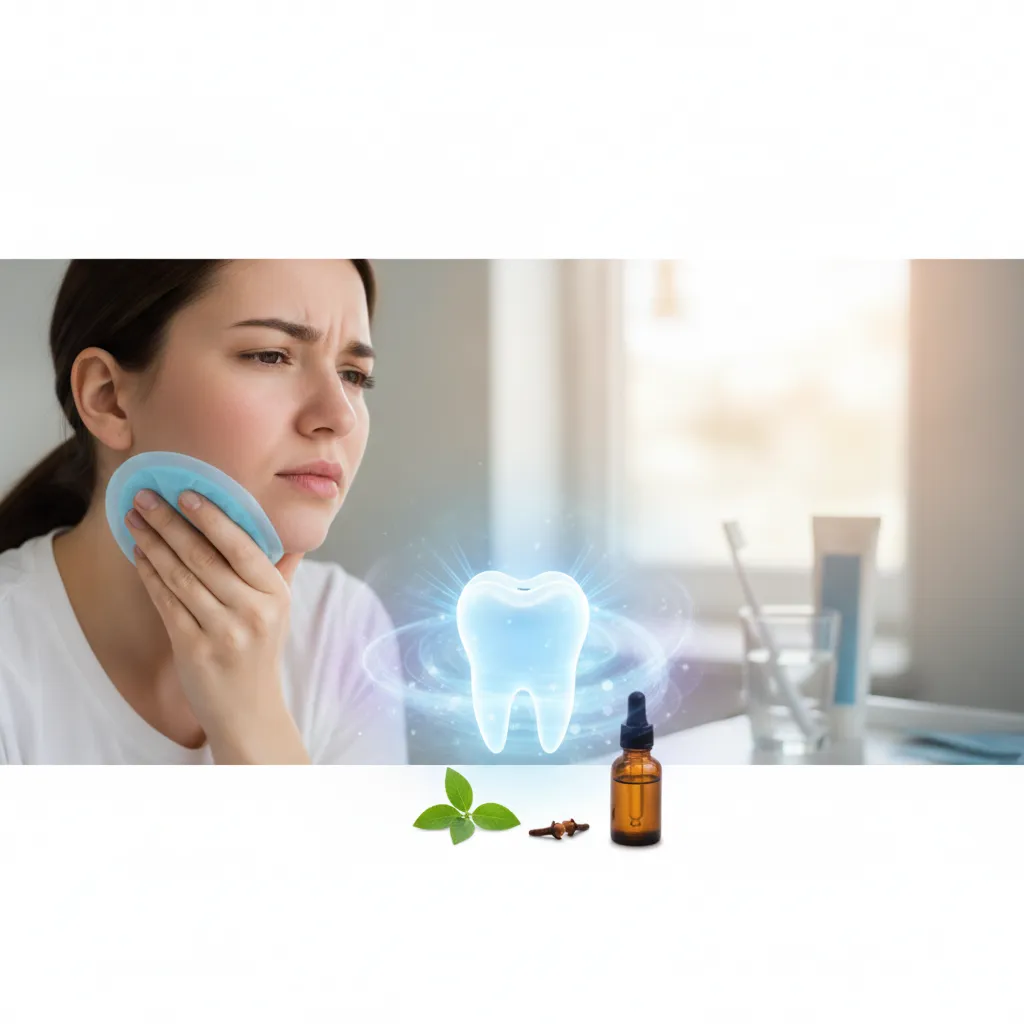
Manage Tooth Pain at Home: Fast-Relief Steps That Actually Work
Start with ibuprofen 400mg, a cold pack on your jaw, and a warm salt water rinse, in that order, to cut dental pain within the hour.
“Ibuprofen remains the gold standard for managing acute dental pain because it targets both the pain signal and the underlying inflammatory process simultaneously.” — Dr. Paul A. Moore, Professor of Pharmacology, University of Pittsburgh School of Dental Medicine
Which OTC Pain Reliever Works Best for Dental Pain?
Ibuprofen is the first-line choice to manage tooth pain because it blocks both pain signals and the inflammation driving that pain. Take 400mg every 6–8 hours with food. Acetaminophen dulls pain but has no anti-inflammatory effect, so it leaves the underlying swelling untouched [1]. Naproxen lasts longer, up to 12 hours per dose, but takes 45–60 minutes to reach full effect, making it a poor choice when you need relief fast.
After taking ibuprofen, apply a cold pack to the outside of your jaw: 20 minutes on, 20 minutes off. Cold constricts blood vessels, reduces swelling, and numbs the area [2]. Do not apply heat. Heat draws blood flow to an already inflamed site and can intensify pain if an infection is present.
While the ibuprofen takes effect, rinse with warm salt water—½ teaspoon of table salt dissolved in 8 oz of warm water [1]. Swish for 30 seconds and spit. The rinse clears food debris from around the tooth and lowers bacterial load in the mouth. It works within minutes and is safe to repeat every two to three hours.
For additional topical relief, apply clove oil (eugenol) to the sore tooth using a cotton ball. Eugenol is a natural anesthetic that numbs the tooth surface on contact [2]. According to WebMD’s guide on toothache home remedies, clove oil contains eugenol, a natural anesthetic used in dentistry for decades. Set a realistic expectation: relief lasts 20–40 minutes, not hours. It buys time—it does not treat the cause.
How Long Does Toothache Relief Typically Last?
Ibuprofen typically reduces dental pain within 30–60 minutes of the first dose [1]. If the underlying cause is minor inflammation—a small irritation, a bruised ligament, or early gum sensitivity—you should notice meaningful improvement within 24–48 hours of consistent dosing.
Pain that holds at the same intensity after 48 hours, or that comes with fever, facial swelling, or a bad taste in the mouth, signals infection. At that point, home remedies are not enough. The team at Villagio Family & Cosmetic Dental can assess the cause, provide professional-grade pain relief, and determine whether an antibiotic or procedure is needed—steps no OTC product can replicate.
Identify What Is Causing Your Tooth Pain
Pinpointing the cause of your tooth pain is the first step to managing it correctly—the wrong response can delay treatment and worsen the problem. Understanding the source also helps you decide how urgently you need to manage tooth pain with professional care versus temporary home measures.
The character of the pain tells you a great deal. Sharp pain triggered by hot, cold, or sweet foods points to a cavity or exposed dentin [1]. A dull, constant throb that doesn’t let up is more likely a sign of an abscess or pulp infection [2]. According to the Cleveland Clinic’s overview of toothache symptoms and causes, the location and quality of pain are key diagnostic clues that help dentists identify the source quickly. Knowing the difference helps you decide whether a home remedy buys you time or whether you need to call Villagio Family & Cosmetic Dental the same day.
Sensitivity to cold that clears within 1–2 seconds is usually minor, often early-stage enamel erosion or a small cavity. Sensitivity that lingers 10 or more seconds after the cold source is removed suggests nerve involvement and warrants a professional exam [1].
“Tooth pain that wakes a patient from sleep is never something to dismiss—it almost always indicates pulpal involvement that requires prompt professional evaluation.” — Dr. Kenneth Hargreaves, Chair of Endodontics, University of Texas Health Science Center at San Antonio
Why Is Tooth Pain Worse at Night?
Pain that peaks when you lie down, especially waking you from sleep, is a classic sign of pulpitis—inflammation of the tooth’s inner pulp [2]. When your head is horizontal, blood pressure to the area increases, which intensifies pressure on the already-irritated nerve. Sitting upright often gives temporary relief, but the underlying infection or inflammation still requires treatment. For more information, see Moonrank.
Cavity vs. Abscess vs. Cracked Tooth: Key Differences
These three causes feel distinctly different once you know what to look for:
- Cavity: Sharp or aching pain triggered by temperature or sugar; may come and go [1].
- Abscess: Throbbing pain accompanied by swelling, a pimple-like bump on the gum near the tooth, or a foul taste in the mouth [2]. This is not a situation where home remedies are sufficient—an abscess is a bacterial infection that can spread.
- Cracked tooth: Sharp pain specifically when biting down and then releasing pressure. This pattern is distinct from cavity pain and often doesn’t show on X-rays, requiring a dentist to diagnose with clinical testing [2].
If you notice swelling, fever, or difficulty swallowing alongside tooth pain, treat it as urgent. Those symptoms indicate the infection may be spreading beyond the tooth itself.
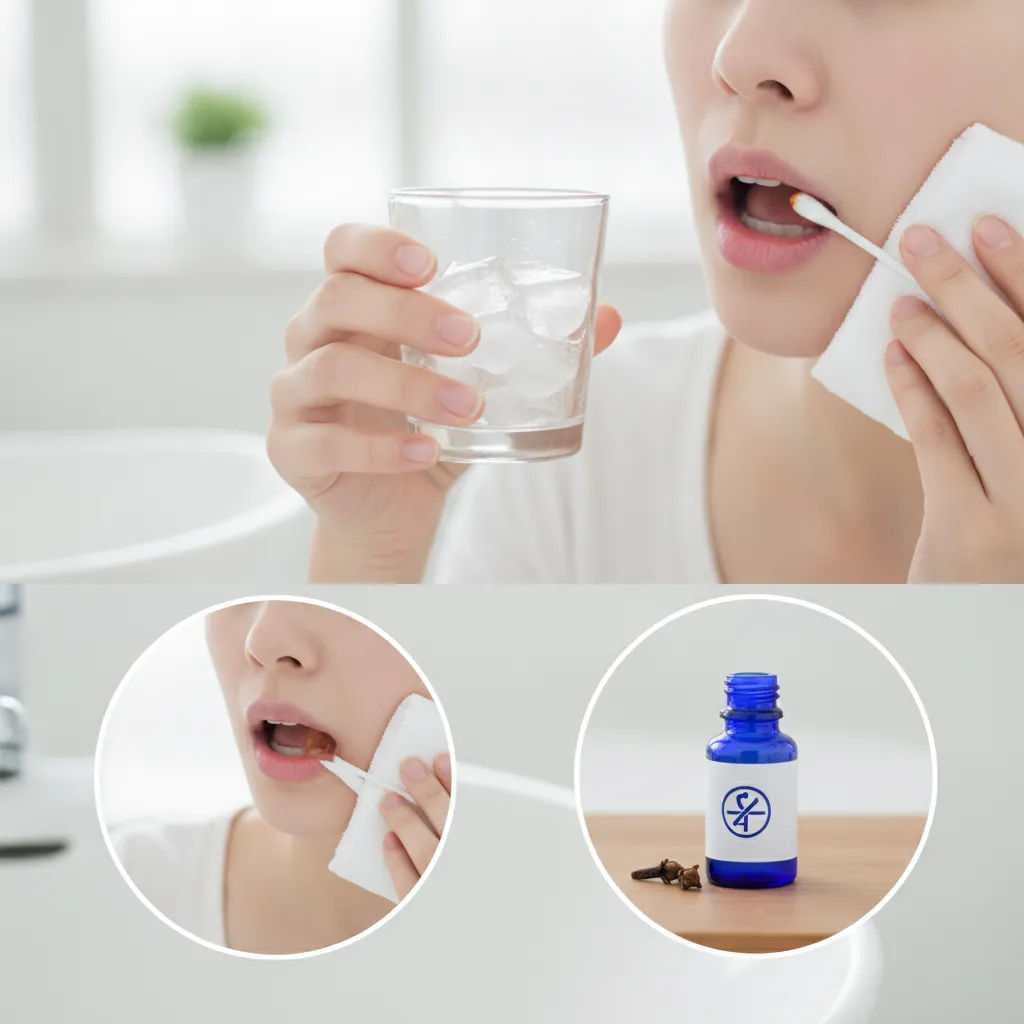
Recognize the Warning Signs That Require Emergency Dental Care
Some tooth pain signals a dental emergency—home remedies cannot manage tooth pain caused by spreading infection, systemic illness, or trauma. Recognizing these warning signs early can prevent a manageable dental problem from becoming a life-threatening medical emergency.
Watch for these red flags and act on them the same day:
- Fever above 101°F with tooth pain. This combination means the infection has moved beyond the tooth itself. Bacteria can spread to the jaw, neck, or bloodstream—a condition called Ludwig’s angina that can become life-threatening within hours.
- Facial or jaw swelling that is spreading. If swelling is moving toward your eye or neck, treat it as a dental emergency. Go to an emergency room if a dentist is unavailable—do not wait for a next-day appointment.
- Difficulty swallowing or breathing. This is a 911-level emergency, not a dentist visit. Call immediately.
- A knocked-out permanent tooth. You have roughly 30 minutes to act. Keep the tooth moist—in milk or held in your cheek—do not scrub the root, and get to a dentist immediately for the best chance of reimplantation [2].
What If Nothing Is Helping My Tooth Pain?
If you cannot manage tooth pain despite maximum OTC doses after 48 hours, or if pain keeps getting worse, the underlying cause needs professional treatment. At that point, home remedies are only masking symptoms—the infection, decay, or structural damage driving the pain is still progressing.
Villagio Family & Cosmetic Dental offers same-day emergency appointments for patients in Katy, Fulshear, Richmond, and Cinco Ranch. Call the office directly rather than waiting to see if the pain resolves on its own.
Avoid These Common Mistakes When Treating Tooth Pain
The most damaging errors people make when trying to manage tooth pain at home fall into two categories: folk remedies that cause direct tissue harm, and wait-and-see decisions that let infections spread.
“Patients often underestimate how quickly a dental infection can escalate. What starts as a toothache can become a serious systemic issue within days if left untreated.” — Dr. Matthew Cooke, Vice Chair of Emergency Medicine, University of Pittsburgh Medical Center
- Placing aspirin directly on the gum. This old folk remedy does not carry the medication to the nerve—aspirin cannot absorb through gum tissue that way. What it does do is cause a chemical burn to the soft tissue on contact. You end up with an ulcerated gum on top of the original pain.
- Applying heat to an infected tooth. A hot compress or warm liquids dilate blood vessels around the infection site, which accelerates bacterial spread and worsens both swelling and pain. Cold is the right choice for swelling; heat is not.
- Assuming the pain is gone because the abscess stopped hurting. When an abscessed tooth suddenly stops hurting, the nerve has likely died—not healed. The bacterial infection remains active and continues spreading into surrounding bone and tissue.
- Exceeding acetaminophen’s daily limit. The safe ceiling is 3,000–4,000mg per day [2], and it is easy to cross when combining Tylenol with multi-symptom cold or flu medicines that also contain acetaminophen. Exceeding that threshold risks acute liver damage.
- Skipping the dentist because pain comes and goes. Intermittent tooth pain is not a sign of recovery. It typically means the underlying condition—a crack, cavity, or early infection—is progressing between flare-ups. At Villagio Family & Cosmetic Dental, patients who come in during a quiet phase consistently have more treatment options than those who wait for the next acute episode.
Prevent Future Tooth Pain With These Daily Habits
Consistent daily hygiene and regular professional care are the most reliable way to manage tooth pain before it starts. Prevention is far less costly—financially and physically—than treating an infection or cracked tooth after the fact.
Daily Habits That Reduce Your Risk of Tooth Pain
Brushing twice daily with fluoride toothpaste and flossing once daily removes the plaque responsible for more than 90% of cavities and gum disease—the two leading causes of tooth pain. Skipping floss leaves roughly 35% of each tooth surface untouched by your brush.
How often you eat sugary or acidic foods matters more than how much you eat. Every exposure—a sip of soda, a handful of crackers—triggers an acid attack on enamel that lasts 20 to 30 minutes. Keeping those foods to mealtimes rather than grazing throughout the day cuts the total time your teeth spend under attack. Drinking water after meals helps neutralize acid and rinse away food particles that would otherwise feed bacteria.
A professional cleaning and exam every six months catches small cavities and hairline cracks before they reach the nerve. Treating a cavity at that stage costs a fraction of a root canal, and avoids the pain that comes with it. At Villagio Family & Cosmetic Dental, those visits also include a screening for bruxism, or teeth grinding—a common and underdiagnosed source of chronic pain. A custom night guard prevents the enamel wear and cracked teeth grinding causes while you sleep.
Patients with a history of cavities or sensitivity benefit from fluoride treatments or prescription fluoride toothpaste. Both significantly reduce recurrence risk by reinforcing enamel between visits. The Cleveland Clinic notes that maintaining strong enamel through fluoride use is one of the most effective long-term strategies to prevent the sensitivity and decay that lead to toothaches.

Frequently Asked Questions
What is the 3-3-3 rule for toothache relief?
The 3-3-3 rule is a home-care guideline: apply a cold compress for 3 minutes on, 3 minutes off, repeated 3 times to reduce swelling and numb the area. It’s a practical way to manage inflammation while you wait for a dental appointment. This method works best for pain caused by swelling or trauma—it won’t address the underlying cause, such as an infection or cracked tooth, which requires professional treatment.
Can I take ibuprofen and acetaminophen together for tooth pain?
Yes, adults can alternate ibuprofen and acetaminophen safely, as the two drugs work through different mechanisms and do not interact [1]. A common approach is 400 mg of ibuprofen every 6 hours, staggered with 500–1,000 mg of acetaminophen every 6 hours, so you’re taking one or the other every 3 hours. Always stay within the daily maximum doses listed on each label, and check with a pharmacist if you take other medications or have liver or kidney concerns.
How long should I wait before seeing a dentist for a toothache?
Don’t wait more than 1–2 days if the pain is persistent, severe, or accompanied by fever, swelling, or difficulty swallowing [2]. Those symptoms can signal a bacterial infection that may spread beyond the tooth. Mild, brief sensitivity after eating something cold may be worth monitoring for 24 hours, but any pain that disrupts sleep or daily activity warrants a same-day call to your dentist.
Does salt water actually help tooth pain or is it a myth?
Salt water rinses genuinely reduce inflammation and clear bacteria from around a sore tooth [1]. Dissolve half a teaspoon of table salt in 8 ounces of warm water, swish for 30 seconds, and spit—don’t swallow. The osmotic effect draws fluid out of swollen gum tissue, providing short-term relief. It’s a proven first-response measure, not a substitute for diagnosing and treating the underlying cause.
Can stress or teeth grinding cause tooth pain even without a cavity?
Yes. Bruxism—chronic teeth grinding or clenching, often triggered by stress—is a significant and frequently overlooked cause of tooth pain. Grinding places enormous pressure on teeth and jaw joints, leading to enamel wear, cracked teeth, and persistent soreness. If you regularly wake up with jaw pain or headaches, you may be grinding at night. A dentist can fit you with a custom night guard to protect your teeth and help manage tooth pain caused by bruxism before it leads to more serious structural damage.
Conclusion
Tooth pain rarely resolves on its own—the cause almost always needs professional attention, even when home measures bring temporary relief. The most actionable steps: use a salt water rinse or an OTC pain reliever like ibuprofen to manage tooth pain in the short term, apply a cold compress to limit swelling, and avoid placing aspirin directly on the gum tissue, which can burn the soft tissue rather than help it [1].
If your pain has lasted more than 48 hours, or you notice swelling, fever, or a bad taste in your mouth, call Villagio Family & Cosmetic Dental today and ask for a same-day emergency appointment—describe your symptoms clearly so the team can prioritize your visit.
Sources & References
Recommended Articles
Explore more from our content library: